Lotus in the Wind
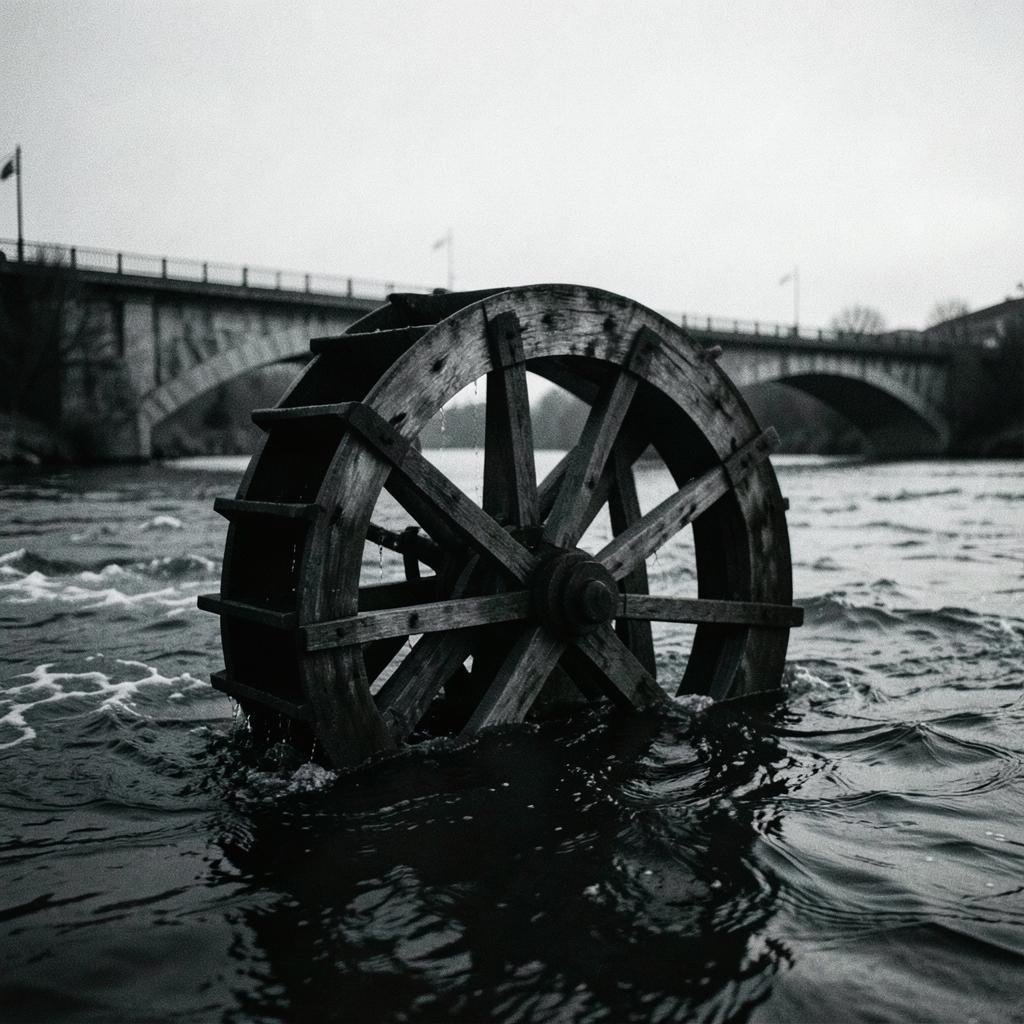
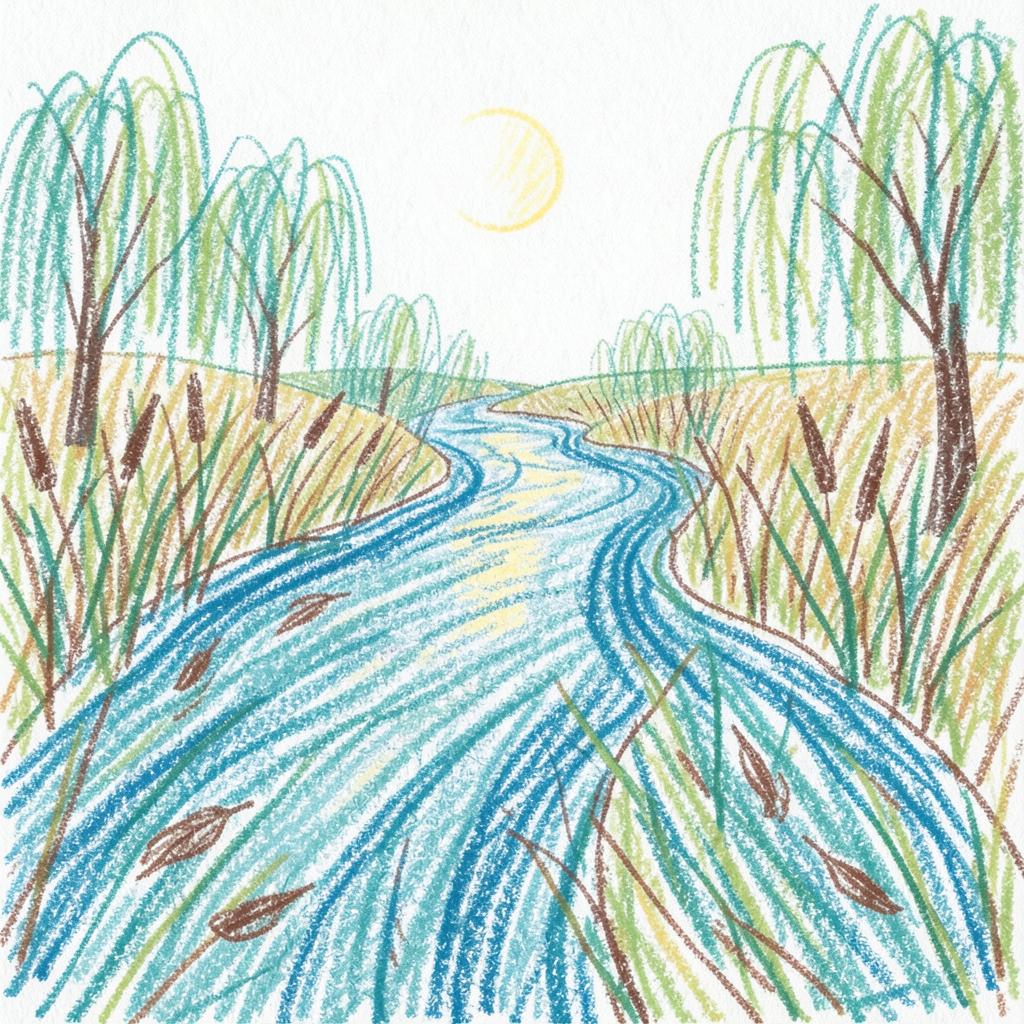
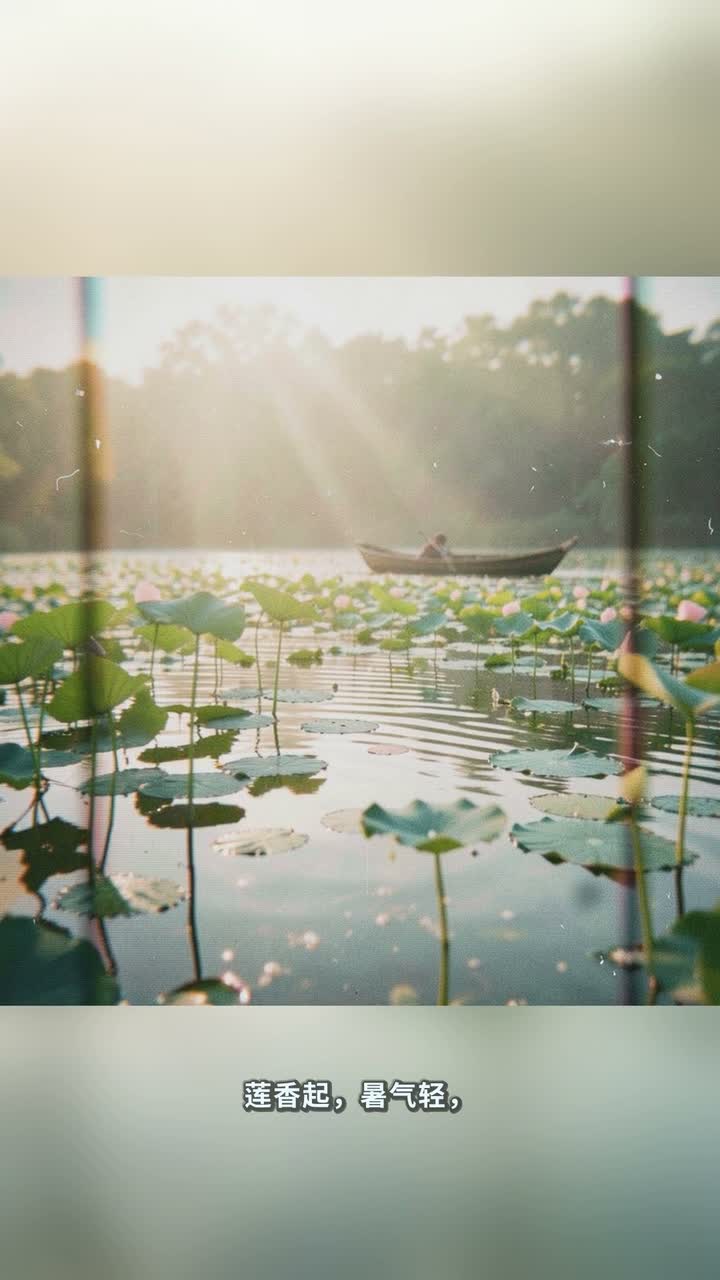
风荷举After the rain, the lotus does not remain still. One verb—lift—sets early sun, water, round leaves and wind in motion, carrying Zhou Bangyan’s living image into a complete contemporary slow song.
Open the complete work ↗RSS works with most podcast and feed readers and attaches the real MP3 for each complete work. JSON Feed also carries the complete music film, poster, byte size and verified duration. Atom carries only site changes with real revision timestamps.
168 records; 91 complete recordings with standard MP3 enclosures and Media RSS video data.
https://weiyang-sound.liwei999.chatgpt.site/en/feed.xmlOpen / copy the RSS URL ↗02 · APPLICATION/FEED+JSON168 structured records; every complete work carries both MP3 and vertical music-film attachments.
https://weiyang-sound.liwei999.chatgpt.site/en/feed.jsonOpen / copy the JSON Feed URL ↗03 · APPLICATION/ATOM+XMLRecords when the website actually changed and never passes a site-revision time off as a song release date.
https://weiyang-sound.liwei999.chatgpt.site/en/updates.atomOpen the site-update Atom feed ↗Exact publication dates do not survive across most older archive items, so their date fields remain absent. The Stars Are Near, Le Vent Nous Ramène, The Sun Rises over the Sea, La pluie près de toi, A Soul Reborn, The Stars Are Near · Forever, Rainforest Night Song, The Nameless · On the Road, Lights of the Human World · The First Lamp, Autumn in the Han Palace, The Stars Are Near · Mediterranean Moon Bridge, The Same Beam of Light · Daybreak, The South Wind Knows My Heart, Moon over the Mekong, Moonlit Bamboo House, Rainy Night Tavern · Breathy Female, Farewell at the Long Pavilion · Lingwan, Incense from the Jade Burner · Lingwan, Donghuang Taiyi · Dai Amei, Hebo · Dai Amei, Yunzhong Jun · Dai Amei, Baidi Light Boat · Dai Amei, Could Jiangnan Ever Be Forgotten? · Dai Amei, The Last Row Is Singing Too · Lingwan, Sing the Wound into Light · Mary, Keep the Fire from Going Out · Lin Juyi, The Stars Are Near · Cyber Choir Finale, The Nameless · Far Away, After the Storm, The Final Dialogue, Lights of the Human World · After Daybreak, Café under the Near Stars, Meeting at Night, The Stars Are Near · Lin Juyi, A New Dream on the Magpie Bridge · Lingwan, The Galaxy Remains · Bollywood Male, The Stars Are Near · Bajiao South Asian Crossing, The Stars Are Near · Breathy Nocturne, The Stars Are Near · Widescreen End Theme, The Stars Are Near · Lin Juyi Cinematic Take, The Stars Are Near · Male Slow Moonlit Bass, The Stars Are Near · Lingwan by the Window Lamp, The Stars Are Near · Mary's Country-Pop Warmth, The Stars Are Near · Bollywood Duet Bridge, Across the Water · Jianjia, Lotus Songs at Southern Pond, Bamboo House Antiphon, Silver Jewelry and the Ganges Moon, Moon over the Mountain Road, The Nameless · Rise, Lights of the Human World · Waiting for You to Come Home, The Same Beam of Light · Storm, The Same Beam of Light · Long Road, The Same Beam of Light · Prologue, Rainy Night Tavern · Cinematic Female, Rainy Night Tavern · Forever Female, Ten Thousand Voices beneath the Stars · Lin Juyi, Magpie Bridge Air · Lingwan, Farewell at the Long Pavilion · Lingwan 01A, Gold Flickers over Painted Hills · Lingwan, Lord of the East · Dawn over Fusang, Great Master of Fate · Dark Clouds at Heaven's Gate, Xiang Jun · Long Waters, Light Cassia Boat, Shao Siming · Autumn Orchids Grow Green, Xiang Furen · Dongting Waves, Falling Leaves, Mountain Spirit · A Spirit Dwells in the Mountain, After New Rain in the Empty Mountains, Sun and Rain in a Bamboo-Branch Song, Moon over Mount Emei, Hengtang Road, One Moon over Chang’an, Spring River under the Moon, Crossing the River for Lotus, Clear Water River, Lotus Picking at Southern Pond in Autumn, Frontier Moon, Silver Bells to the Ganges, Let the Moon Rest on Your Shoulder, The Dim-Lit Tavern, Rain by My Ear, The Nameless · Morning, Lights of the Human World · Sing the Wall Open, By the Peacock River, Wild Grass · Autumn Night, Wild Grass · Snow, Wild Grass · Shadow's Farewell, Amei Sings Late Autumn have timestamps recovered from their public work pages; RSS and JSON Feed publish only those 87 work-level dates without borrowing a site-revision time.
Each recording entry leads to an independent work page and carries a verified complete MP3, music film and poster—never a 45-second excerpt presented as the whole song.

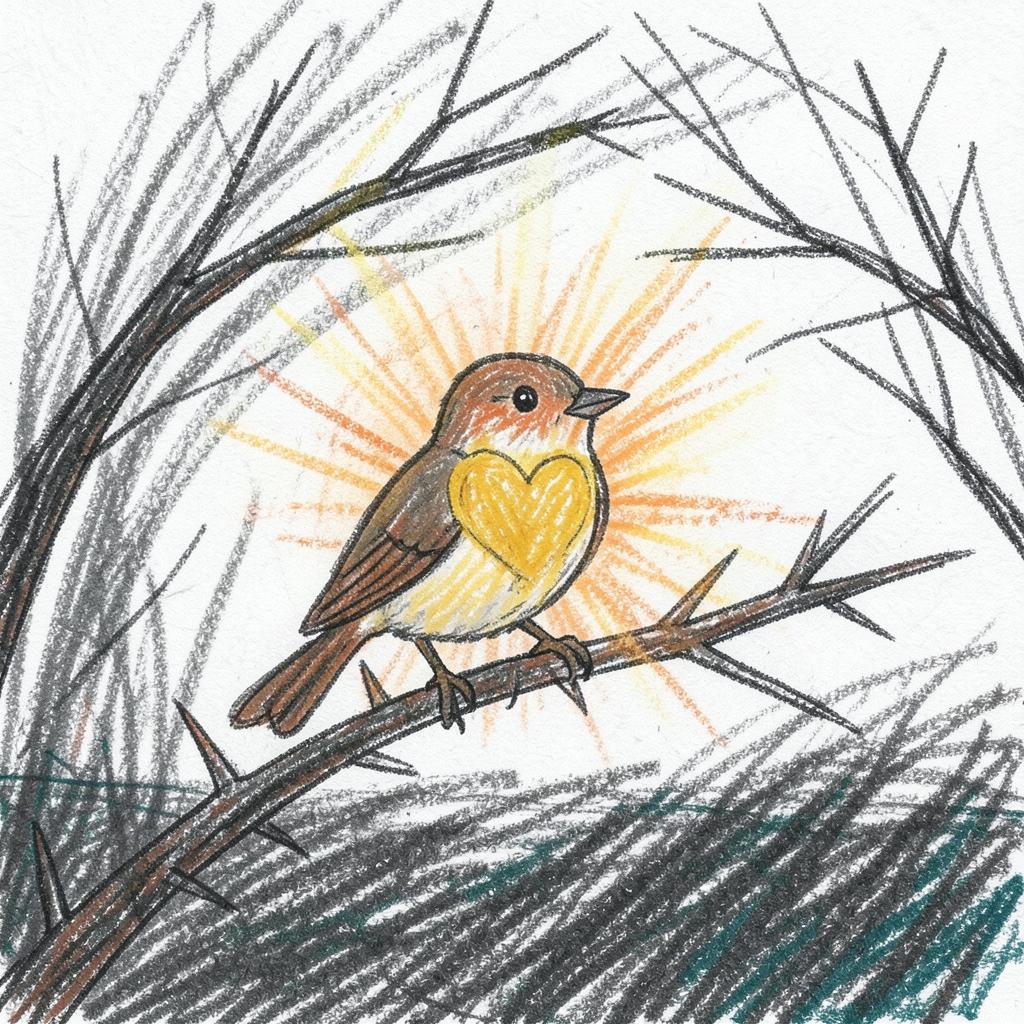
After the rain, the lotus does not remain still. One verb—lift—sets early sun, water, round leaves and wind in motion, carrying Zhou Bangyan’s living image into a complete contemporary slow song.
Open the complete work ↗
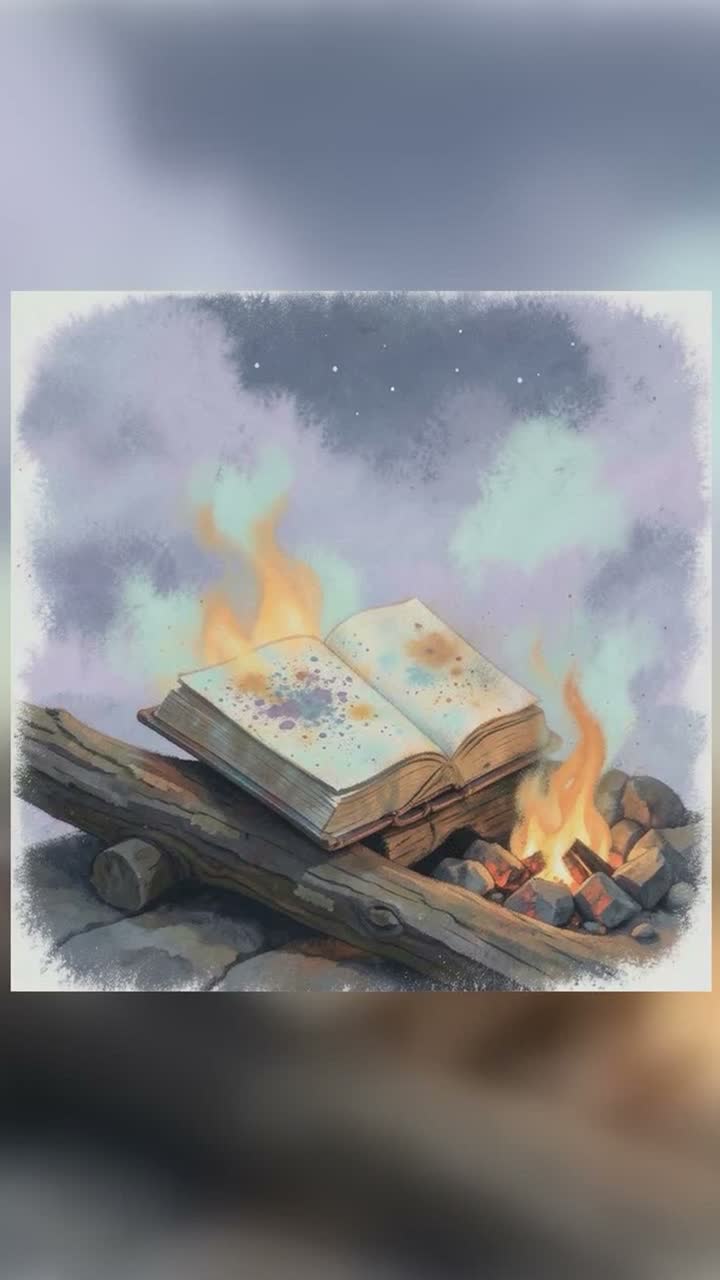
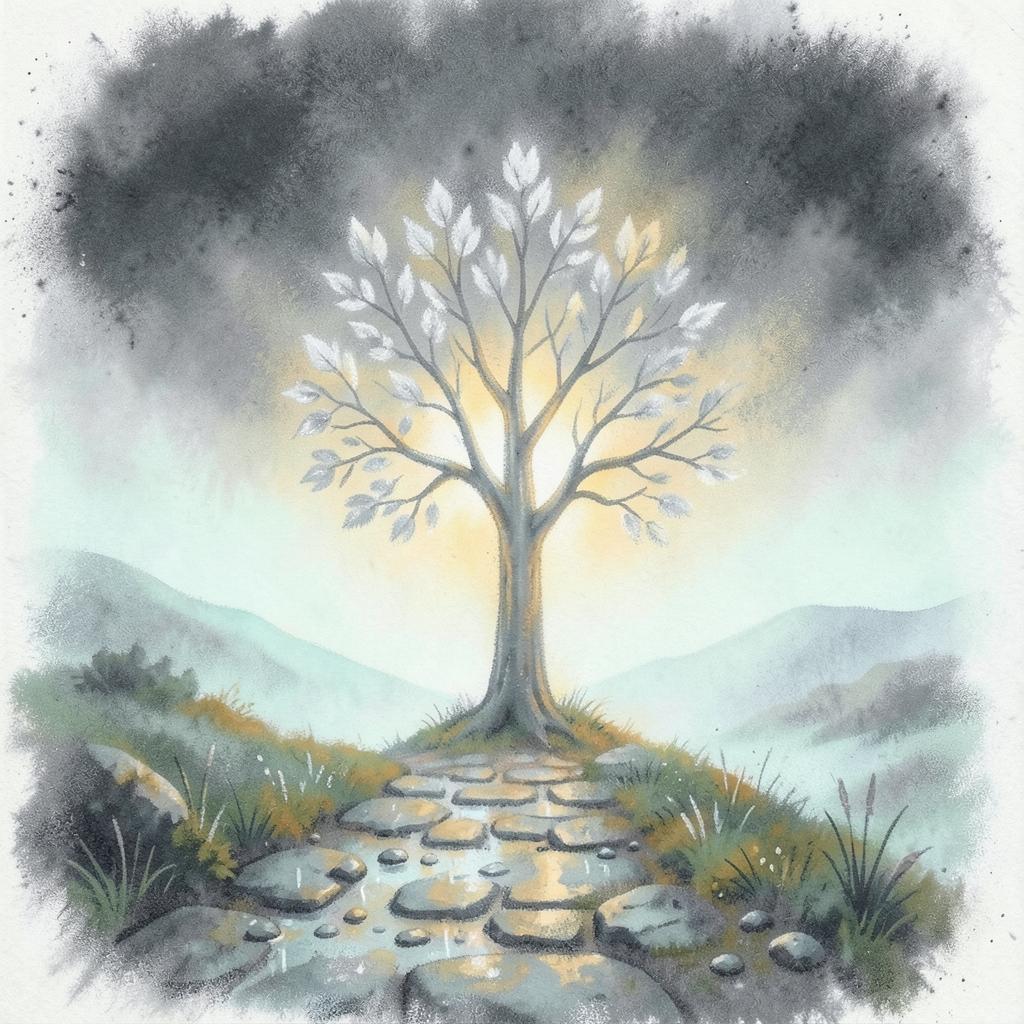
The song does not swear devotion at youth’s brightest moment. It begins beside the fire in old age, then looks back at those who loved beauty and the one who loved the pilgrim soul.
Open the complete work ↗
‘Green hills cannot stop it; eastward the river goes.’ The current carries historical pressure forward while allowing a listener in a difficult season to hear persistence without erasing obstruction.
Open the complete work ↗
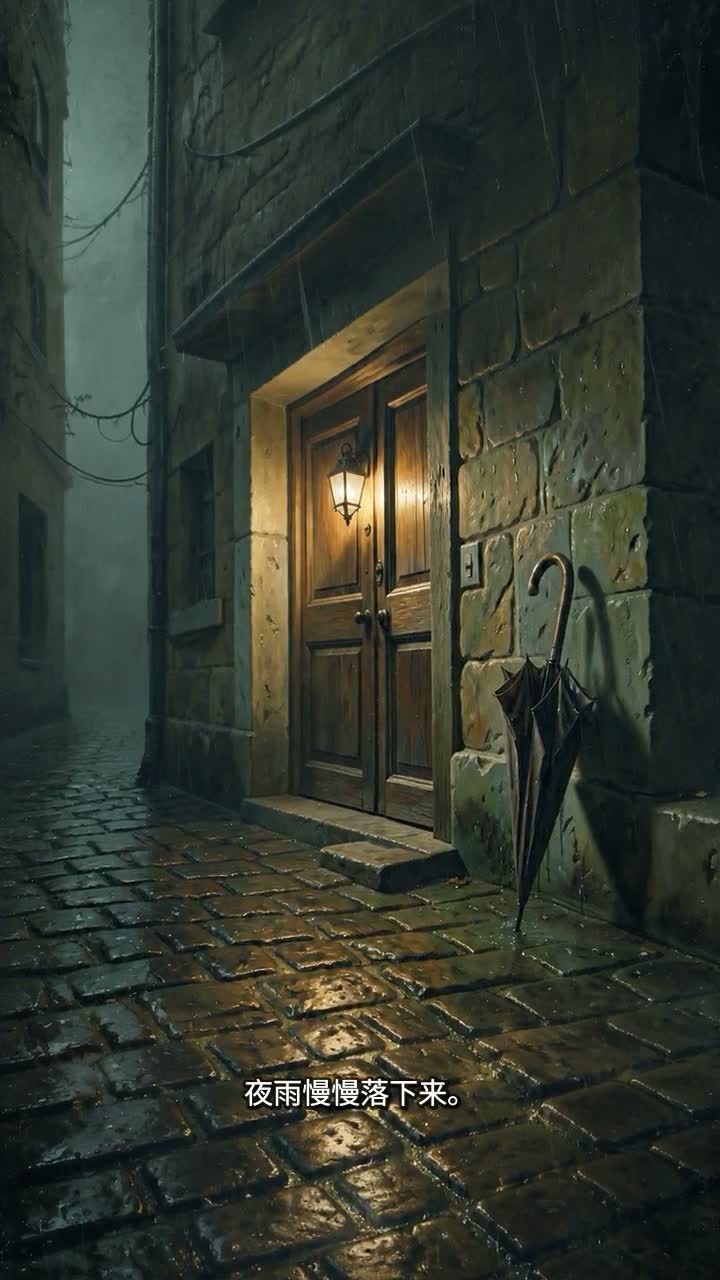
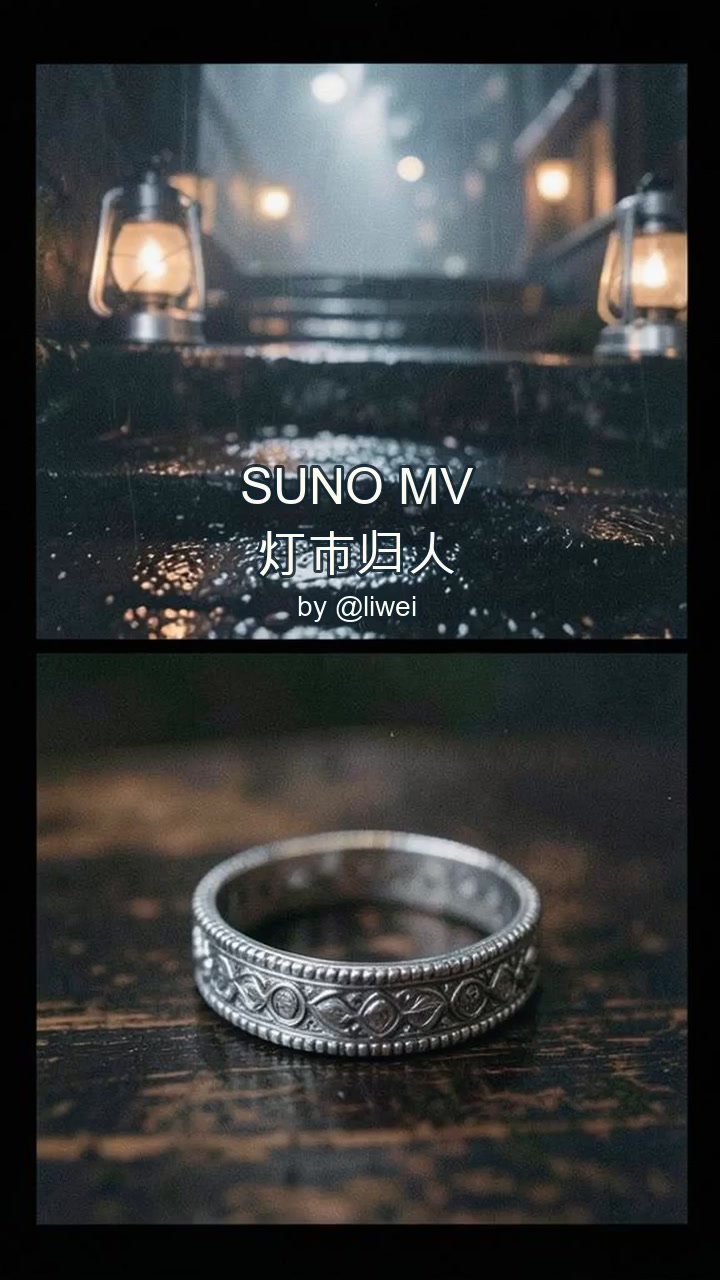
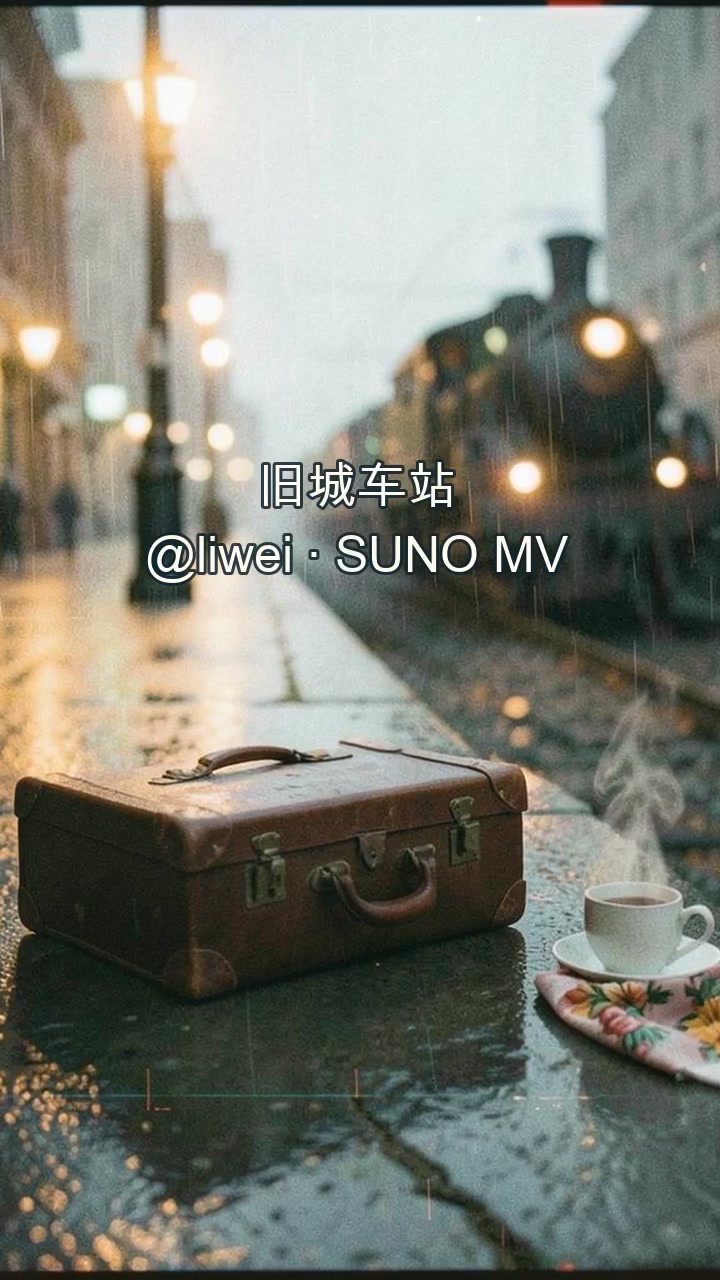
Rain does not wash away the returner’s past; it blurs the old city’s lights across the window. Coming home is neither triumph nor restoration, but a new encounter with everything that changed.
Open the complete work ↗
Beginning with Qixi without enclosing encounter inside one legend, Mandarin and Esperanto draw toward one another as Chang’an, Paris, the Ganges and the coast share one sky. The complete three-minute-twenty song and film now live on site.
Open the complete work ↗
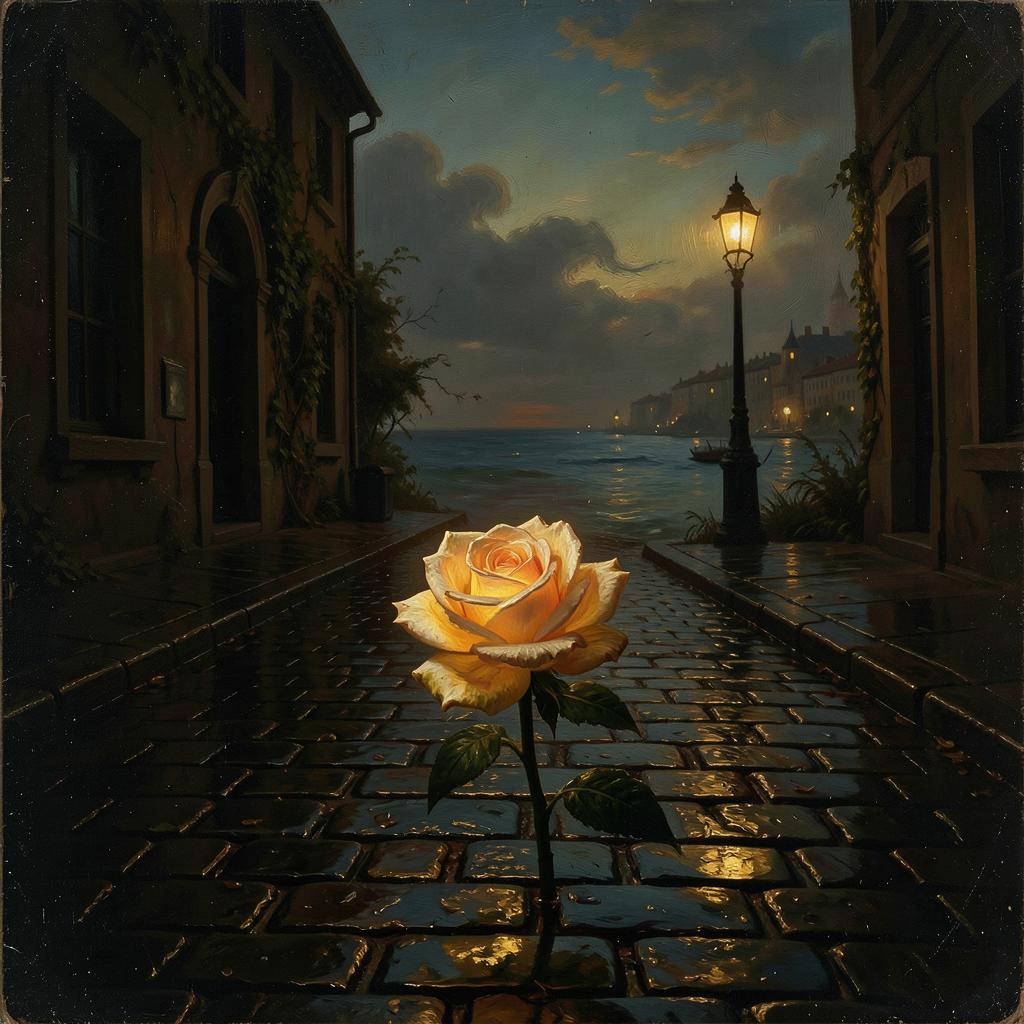
Sea wind crosses a rain-lit old town, carrying a name, a rose and an unfinished return into the final credits. Hollywood Female lets piano, strings and a slow French melody relight the closing refrain without mistaking volume for scale.
Open the complete work ↗
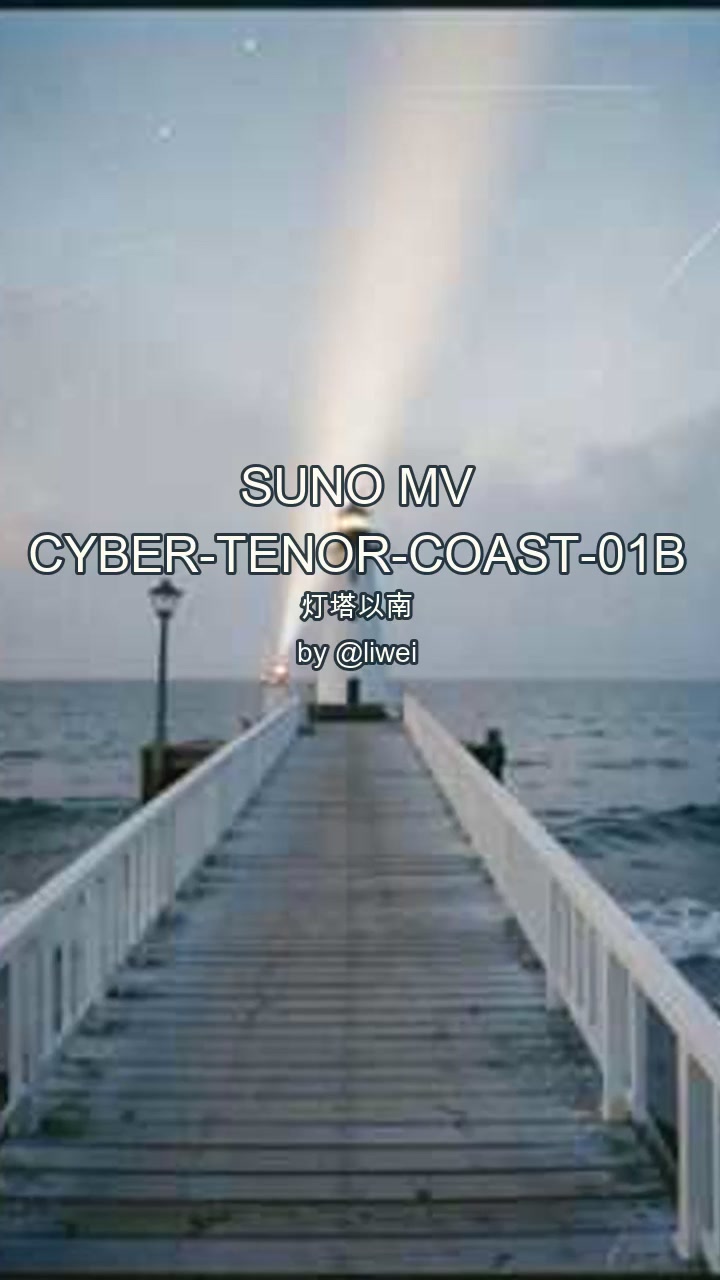
The sun does not rise over a sea untouched by darkness. It reveals scars before people lend their voices to one another. Cyber’s clear tenor remains at the centre of guitars, choir and cinematic scale without being swallowed by them.
Open the complete work ↗
A small room dimming into night, coffee leaving its bitter trace and a confession that was never sent. Mandarin brings the feeling close while French lengthens the rain; Breathy Female keeps air at the edge of a supported melody rather than mistaking intimacy for weakness.
Open the complete work ↗
The catalogue calls this version A Soul Reborn, while the sung refrain keeps returning to ‘the stars are near tonight’. The mismatch is not something to erase: it documents a loose re-composition leaving its source melody behind while carrying emotional DNA into a sister song.
Open the complete work ↗
The Milky Way and Magpie Bridge do not remain inside legend. They arrive in an ordinary vow: however far tomorrow may be, walk each unremarkable day together until it becomes enduring. A warm female voice, acoustic guitar, piano, cello and soft choir turn a Qixi single into a complete slow song for weddings and long companionship.
Open the complete work ↗
Rain separates across banana leaves as drum, flute and distant voice find their own depth. Bajiao begins with an environment, refusing to turn rainforest into ‘mysterious ethnic’ wallpaper or a Southwest–South Asian melodic experiment into reconstructed tradition.
Open the complete work ↗
A night driver carries silence into the distance; a convenience-store worker counts change until daylight; a factory window and a lamp at home stand far apart. Mary claims no invented medal for them—she stays beside people without famous names as they keep carrying life forward.
Open the complete work ↗
After rain leaves a small town, the first lamp is not a grand declaration. It is an opened window, a warm meal placed on the table, one pair of hands lifting another—and someone still willing to wait for you to look back through a long night.
Open the complete work ↗
Zhaojun has departed, yet the emperor's carriage must still pass the palace wall, circle the corridor and approach the inner chamber. Each repeated movement enters the same palace more deeply. Male Slow does not enlarge imperial power; his low voice lets loss return in circles.
Open the complete work ↗
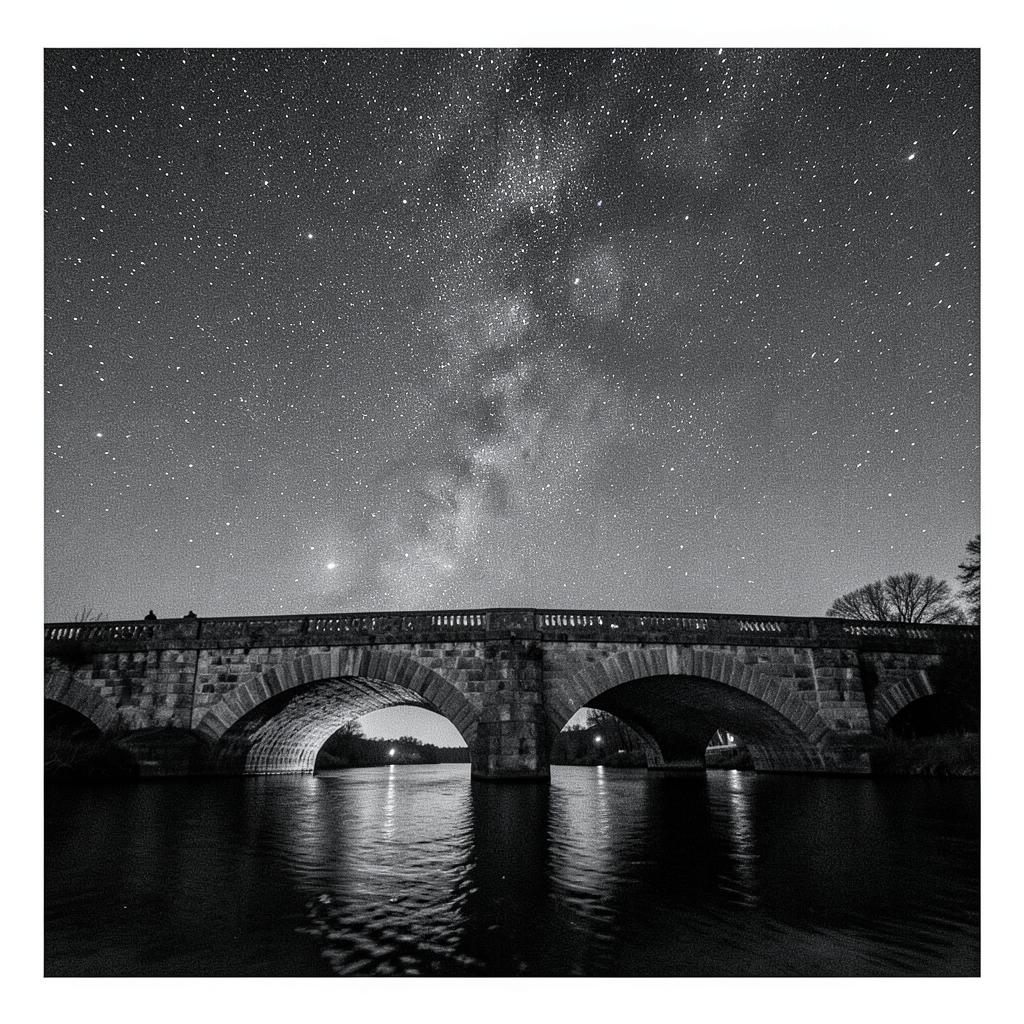
Magpie Bridge descends from the Milky Way to a moonlit harbour, where water, timber and one lamp give reunion physical weight. Mediterranean Male carries a Mandarin Qixi ballad toward another sea, but the bridge joins creative imaginations rather than pretending two traditions were always one song.
Open the complete work ↗
‘Waking from the previous storm’ gives this light its weight. Lingwan's prologue, Mary's long road and Lin Juyi's storm are not erased; Cyber Tenor receives the final chapter and carries solitary names, an old playground and people far away into one shared chorus.
Open the complete work ↗
Plum blossom, lotus gathering, a high tower and passing geese turn longing into a chain of actions. At ‘the south wind knows my heart; carry my dream to Xizhou,’ waiting hands reality over to dream. This new interpretation keeps the poem's water route while clearly marking its contemporary refrain.
Open the complete work ↗
The Lancang flows south as the Mekong, while one moon gathers stilt houses, ferry landings, boat lights and someone far away into a letter that need not be sent. The song does not invent one voice for six countries; it lets a real transboundary river carry an ordinary human longing.
Open the complete work ↗
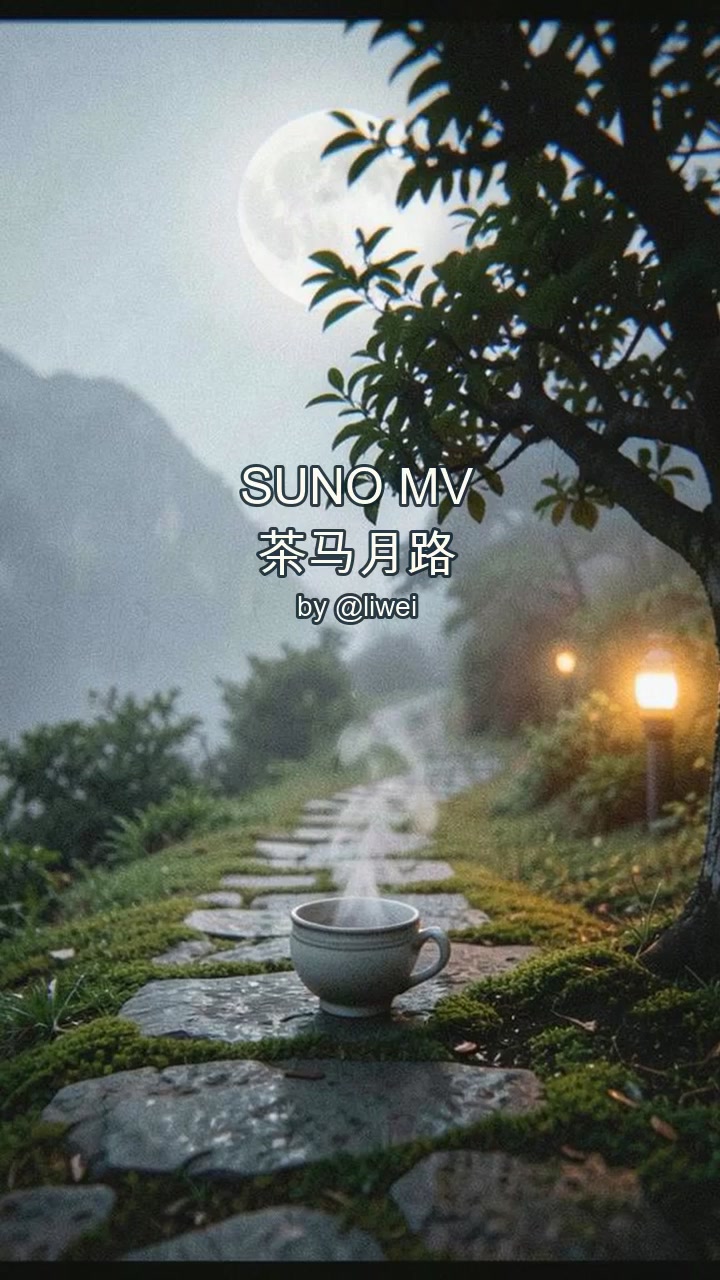
Moonlight falls on a stilt house, water and one lamp waiting for someone. Peacock, silver bell and hulusi are gathered not as a tourism postcard but inside one ordinary plea: if you hear this, do not go farther away.
Open the complete work ↗
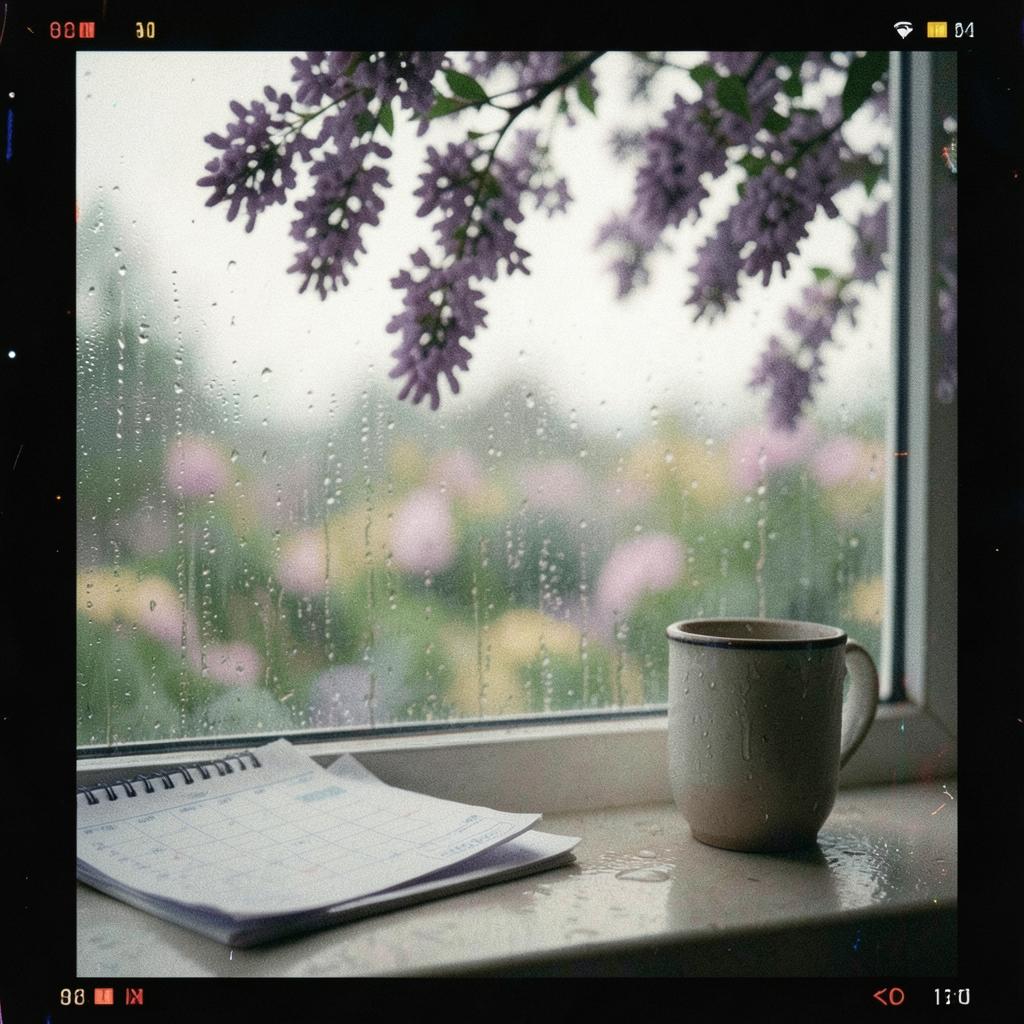
She arrives a little late with night still on her coat. No one asks what happened during the lost years. A window seat, a lukewarm drink and one restrained ‘I hope life has treated you gently’ are enough to let reunion live inside the rain.
Open the complete work ↗
Blue-green sky, yellow flowers, west wind and southbound geese are not decorative autumn scenery. Together they enlarge the plea Yingying cannot openly make. Lingwan does not turn departure into a cry; each long final tone is allowed to release slowly.
Open the complete work ↗
Red wax weeps before a rain-dark window and the night seems to have no end. Wen Tingyun turns longing into a room that grows colder; Lingwan follows each drop through the wutong leaves until the approach of dawn.
Open the complete work ↗
An auspicious day, sounding jade, fragrant plants, cassia wine, drum and se turn a welcoming rite into sound and scent. Dai Amei does not impersonate a Warring States performance; a contemporary virtual voice lets the ritual text and a present-day refrain remain audible as distinct layers.
Open the complete work ↗
A water carriage, lotus canopy, paired dragons, Kunlun and a purple-shell river palace turn companionship into an expanding mythic voyage. At dusk the song folds back into a farewell at the southern bank. Dai Amei sings a present-day response to Hebo, not a recovered ancient rite.
Open the complete work ↗
Orchid-scented bathing, radiant robes, sun, moon and a dragon carriage rise from a deity's arrival toward the clouds above the Four Seas, leaving a sigh after departure. Dai Amei sings all fourteen classical lines while keeping one textual variant and every modern addition visible.
Open the complete work ↗
A dawn departure beneath coloured clouds compresses a thousand-li river journey into one day; the apes still call while the light boat has already crossed ten thousand mountains. Dai Amei carries Li Bai's complete quatrain into a contemporary southwest-landscape ballad while keeping today's cloud shadows, Jiangnan and singerly answer outside the poem's attribution.
Open the complete work ↗
River flowers redder than fire and spring water green as indigo move memory toward Hangzhou's moonlit cassia and tidal sound, then Wu Palace wine and paired dance. Dai Amei sings all three of Bai Juyi's Memories of Jiangnan; the old rhetorical question also becomes the doorway into a present-day refrain of an old boat and a full moon.
Open the complete work ↗
A song does not begin only beneath a spotlight. Schoolyard wind, rain against a desk, a paper plane and an unwritten wish are first gathered by one clear female voice. When the last row joins in, private school memory becomes a square in which everyone can stand.
Open the complete work ↗
The song does not ask anyone to forget a wound or package tears as victory. Mary begins with a wheatfield, dusk, rain and a lamp left on for someone coming home, letting one person's silence be heard before the choir answers. The wound is not hidden; it slowly becomes a direction by which to travel.
Open the complete work ↗
Dust on a shoe, words hidden in an old pocket and tears before dawn are not scenery for spectacle. Lin Juyi first makes one person's cold night legible; only then do echoes approach from the city's edge. By the time every voice says we are here, fire is no hero's private flame but a light people keep for one another.
Open the complete work ↗
The same romantic core of The Stars Are Near no longer stays inside a whisper when Cyber sings it. Star-like points beyond a window, one small light on the sill and a gradually widening choir carry ‘I finally found you’ from private vow toward a finale others can answer. The cathedral quality is sound design, not a religious event; Cyber is the singer, not an electronic genre.
Open the complete work ↗
They do not stand at the centre, yet they move ordinary days toward the sun. They are not carved into monuments, yet find names in one another's echo. Cyber first protects one small light with a clear tenor; the choir enters from a distance until nameless no longer means unseen.
Open the complete work ↗
The storm is not erased by a slogan: broken windows, a pale morning and names carried across water remain. Only as a candle, one hand holding another and a child drawing suns by the river appear does the wide-screen female lead turn survival into lights coming on together.
Open the complete work ↗
Wind crosses an old platform from the screen and a name is hidden in sea and afterglow. Mandarin verses keep farewell inside city and memory, while the English chorus opens another distance like end credits. The final dialogue is not an argument exhausted into silence, but a willingness to cross wind and rain and return the heart to love and homecoming.
Open the complete work ↗
The previous storm is not erased and the town does not recover overnight. Cyber Tenor begins as clouds slowly open, then lets children's laughter, unfinished roads and household lights gather into a public chorus. After daybreak means not forgetting yesterday, but warming tomorrow into life again.
Open the complete work ↗
The hook The Stars Are Near is not covered again. Beside a rain-lit window, coffee and an old record it grows a new life: waiting becomes not only reunion, but two people learning forgiveness and turning wandering into a quiet yes.
Open the complete work ↗
Grey sea, long black land, a low half-moon and little waves leaping in fiery rings: Browning compresses an entire secret journey into a tap at the pane and two hearts louder than a voice. This setting keeps the complete poem, a new refrain and its moonlit crossing audibly distinct.
Open the complete work ↗
The Milky Way and magpie bridge do not remain inside legend. They descend into wandering, waiting, embrace and shared years, turning a distant sky into an ordinary promise: storms may return, but I will keep walking with you. Lin Juyi gives that tenderness the weight of fate.
Open the complete work ↗
The same stars, magpie bridge, missed rain and promise to keep walking change when Lingwan carries them. Her clear, grounded voice brings Qixi legend into ordinary companionship and gives the archive a direct comparison: identical lyric and parent, distinct virtual singer, different route into one promise.
Open the complete work ↗
One complete 七夕 lyric and one public parent can now be heard through three lead virtual singers: Bollywood Male 03A, Lingwan 03B and Lin Juyi 03C. A living culture is not reduced to a style button; the comparison asks how vocal character changes the distance, weight and cinematic scale of one Mandarin vow.
Open the complete work ↗
A single rain-lit banana leaf fills the window while bansuri, hulusi and soft tabla carry the shared Qixi lyric toward a Southwest–South Asian borderland imagination. Bajiao is a lead virtual singer; instruments and cinematic colour are arrangement cues, not cultural identity papers. This release brings the same-lyric, same-parent study to 14 complete on-site recordings by 11 singers.
Open the complete work ↗
The shared Qixi lyric no longer reaches for distance: lamplight, rain and one quiet yes are drawn into a room close to the ear. Breath is a supported texture, not weakness; source parameters document an arrangement, not a human singer or real studio session. 14 recordings by 11 singers in this lineage now play completely on site.
Open the complete work ↗
The shared Qixi lyric moves from a close room into a widescreen end theme. Piano, cello, sweeping strings and a gentle choir lift describe emotional scale—not Hollywood geography. The character name comes from a public Persona; no film, studio, orchestra or second singer is invented. 14 recordings by 11 singers in this lineage now play completely on site.
Open the complete work ↗
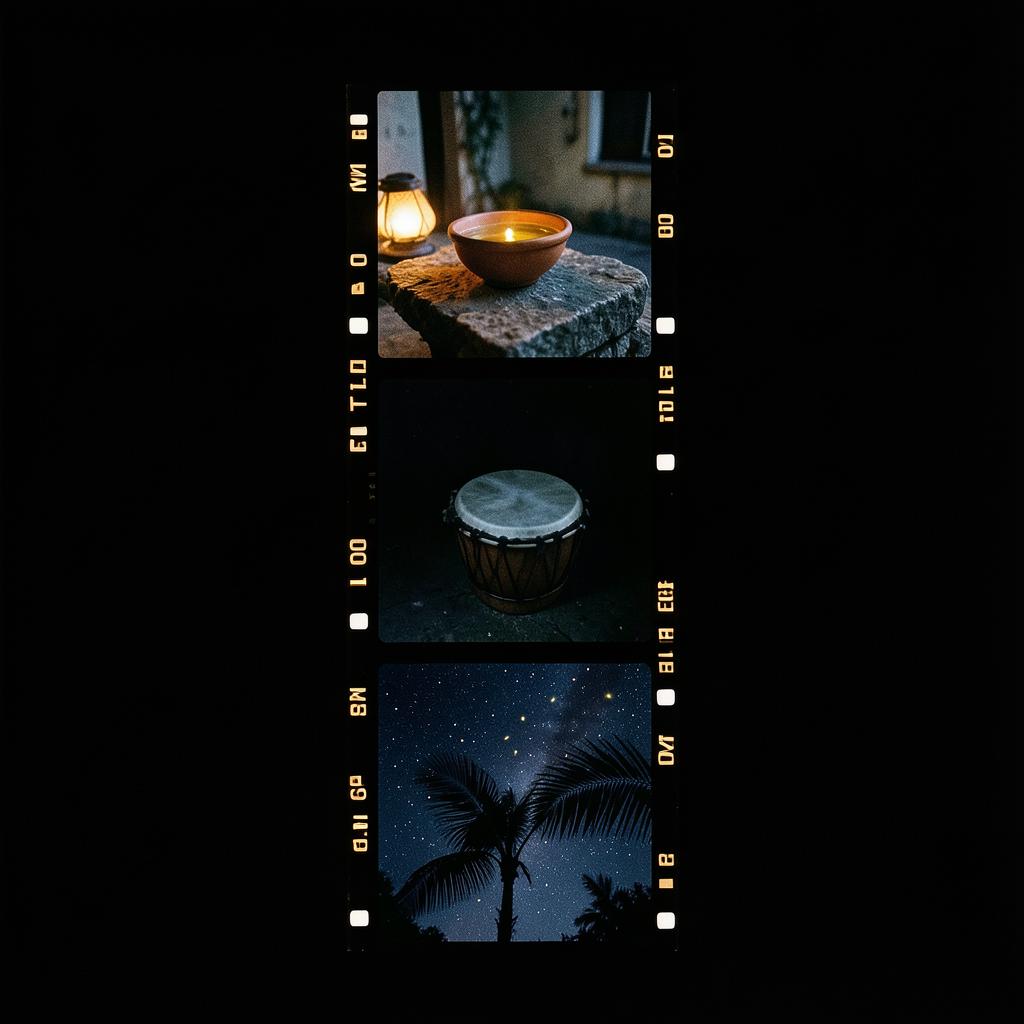
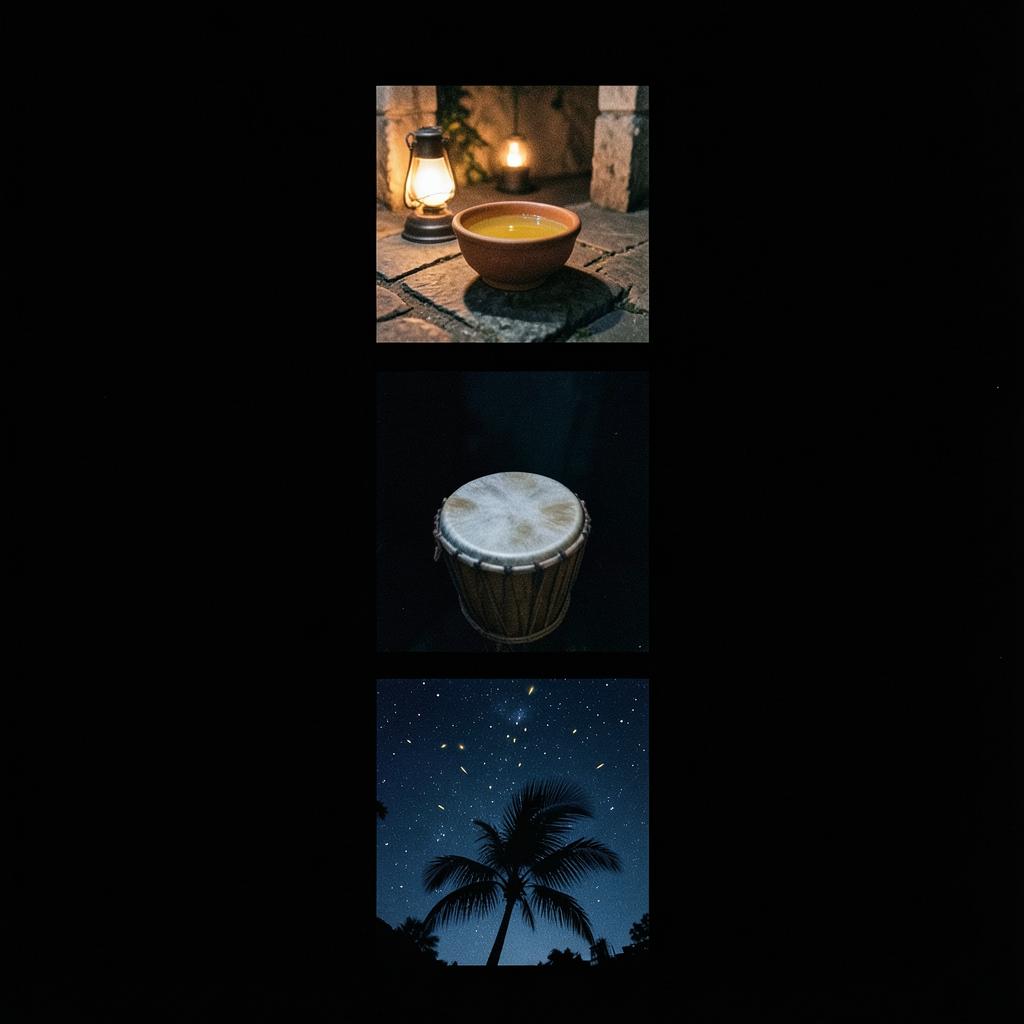
A rain window, oil lamp and bowl of water bring the stars into an ordinary room. 01F B shares the lyric, 七夕 parent and Lin Juyi Persona of the existing 03C, yet piano, cello, soft strings and a gradual lift create a second cinematic route. The complete source audit verifies 14 recordings by 11 singers; 14 recordings by 11 singers now play completely on site.
Open the complete work ↗
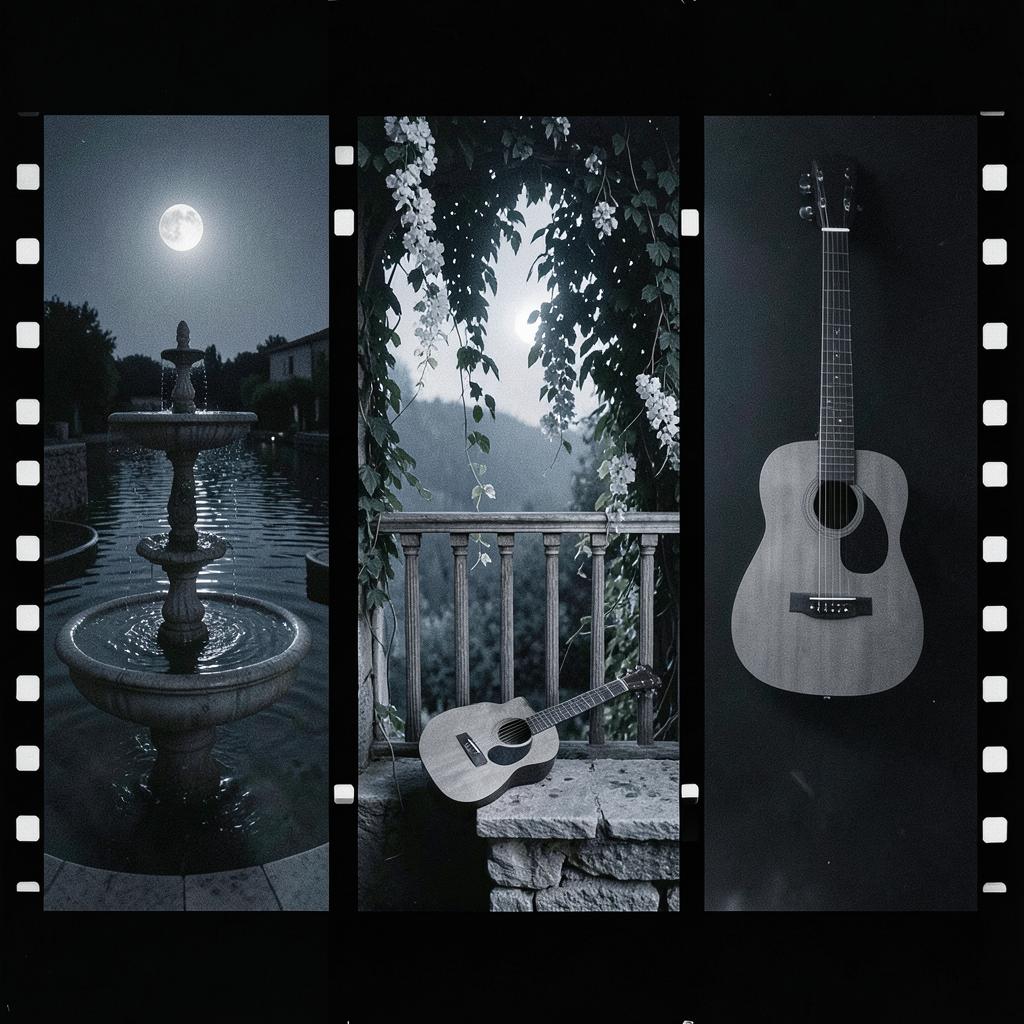
A stone arch frames the full moon while a white crane stands between candlelight and vines. 01E Male slow B lowers the shared stars, magpie bridge, missed rain and lasting promise into a slower, restrained bass inside a verified 11-singer / 14-recording lineage; 14 takes by 11 singers now play in full. Male Slow is the singer, not a slowdown effect.
Open the complete work ↗
Mist-softened stars fill the upper frame; an old window and warm lamp hold the lower one. 01C Lingwan B carries the shared stars, magpie bridge, missed rain and lasting promise as if walking home from a campus memory. It is Lingwan's second entrance inside a verified 11-singer / 14-recording lineage; 14 takes by 11 singers now play here in full.
Open the complete work ↗
Moonlight falls across a waterside balcony and an empty wooden chair while stars trace a road between distant hills. 01B Mary-country B places the shared Qixi lyric inside acoustic guitar, cello, soft strings and country-pop warmth. Mary is the lead warm-mezzo singer; country pop is this arrangement's container. The verified lineage holds 11 singers across 14 recordings; 14 takes by 11 singers now play here in full.
Open the complete work ↗
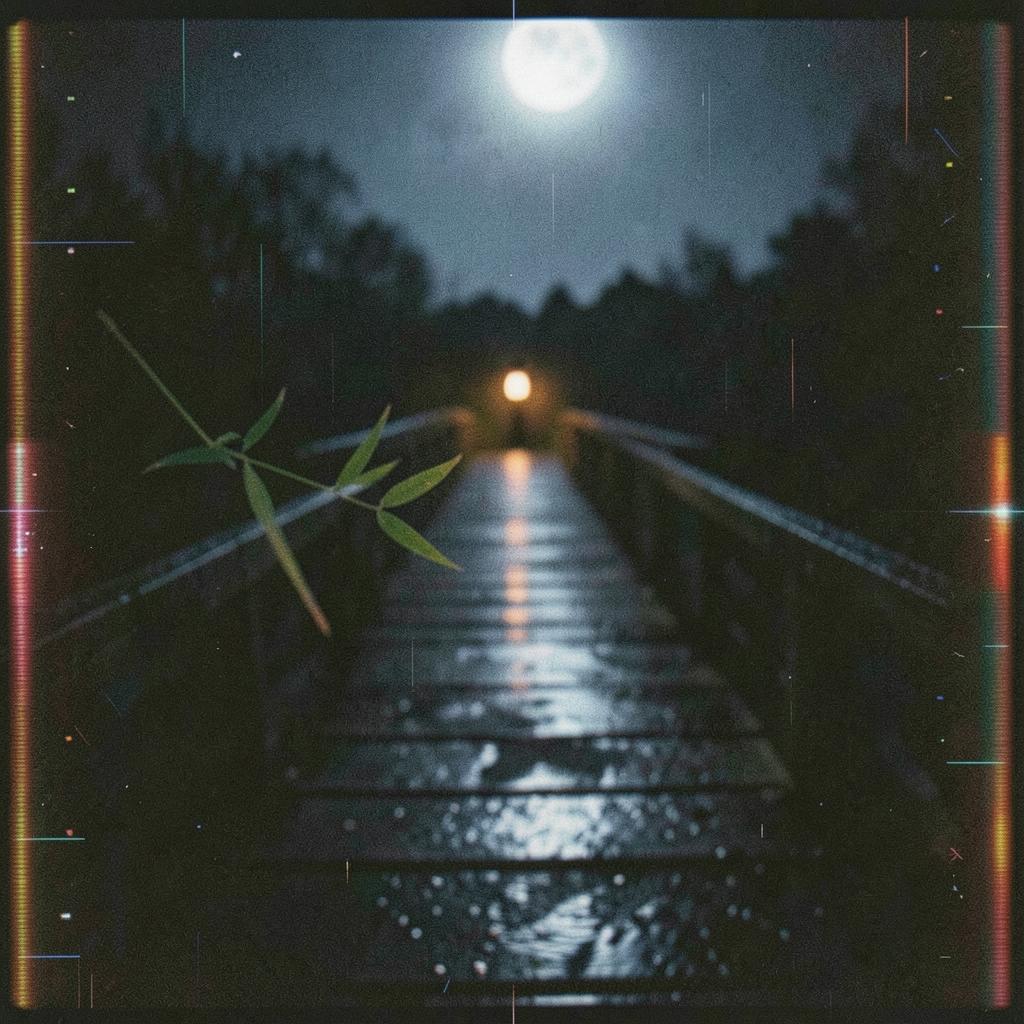
Lilac starlight settles over a bridge at night while reflected lamps pull the shared Qixi promise into another cinematic arc. 01A Plus Bollywood completes the public verified lineage at 14 recordings by 11 singers. Bollywood Male remains the registered lead; the source tag and current caption say Bollywood duet / 异域对唱 but supply no independent second-singer field.
Open the complete work ↗
White dew gathers on the reeds while the distant figure remains across the water. Across the Water does more than borrow an ancient title: it sings all three stanzas of Jianjia, then lets a contemporary refrain answer that unreachable waterway from the bank.
Open the complete work ↗
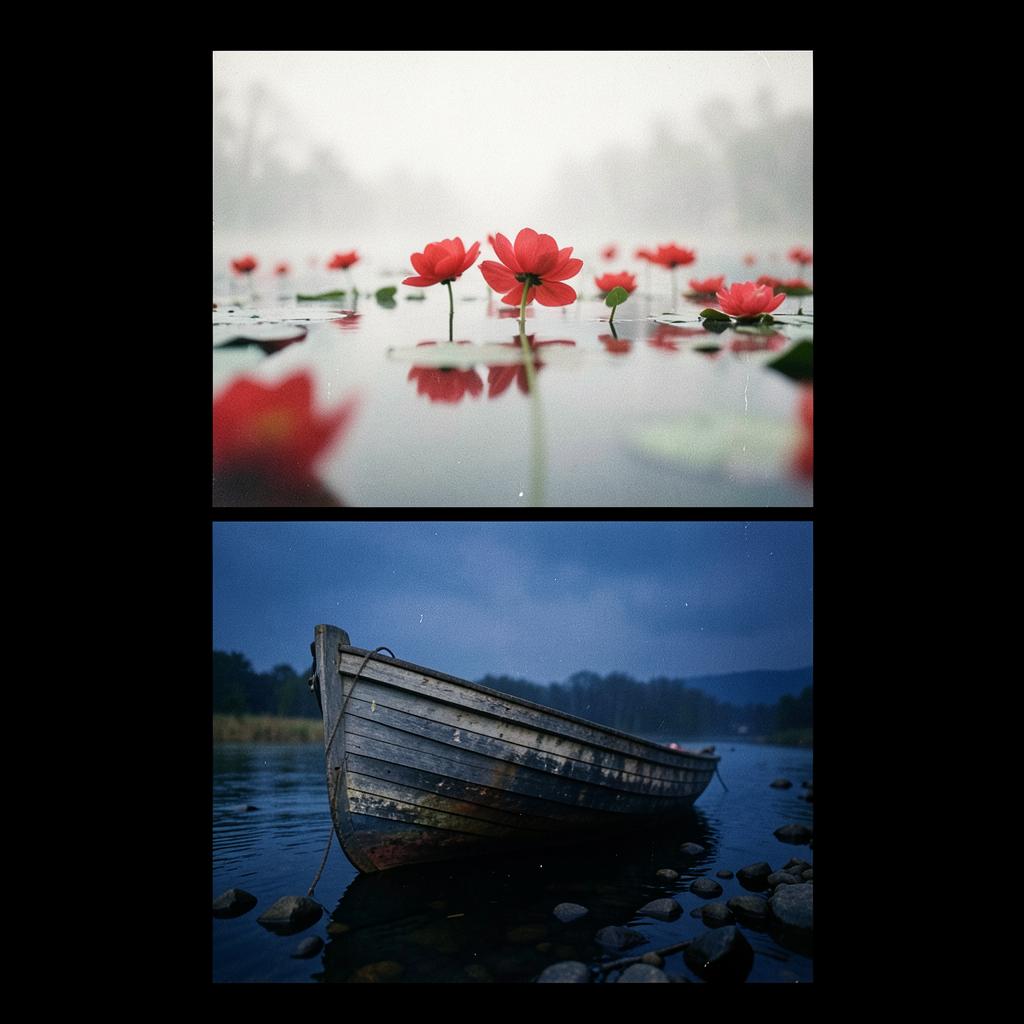
A small boat rests among a pond of lotus leaves as two Tang poems with the same title meet inside one contemporary song. Wang Changling discovers the gatherers through their voices; Li Bai widens the scene through laughter, reflected dress, lifted sleeves and the hesitant watcher on shore.
Open the complete work ↗
A lamp comes on in a bamboo house and someone answers from across the river. A female part asks about distance, a male part sings of returning, and the shared refrain carries their exchange over the water. This is a contemporary original—not a recovered traditional song.
Open the complete work ↗
One moon lights a bamboo house; another reaches the Ganges. Silver, banana leaves and a distant river enter one contemporary slow song. This is not a recovered borderland legend or traditional reconstruction, but Bajiao singing difference into an imaginative encounter whose limits remain visible.
Open the complete work ↗
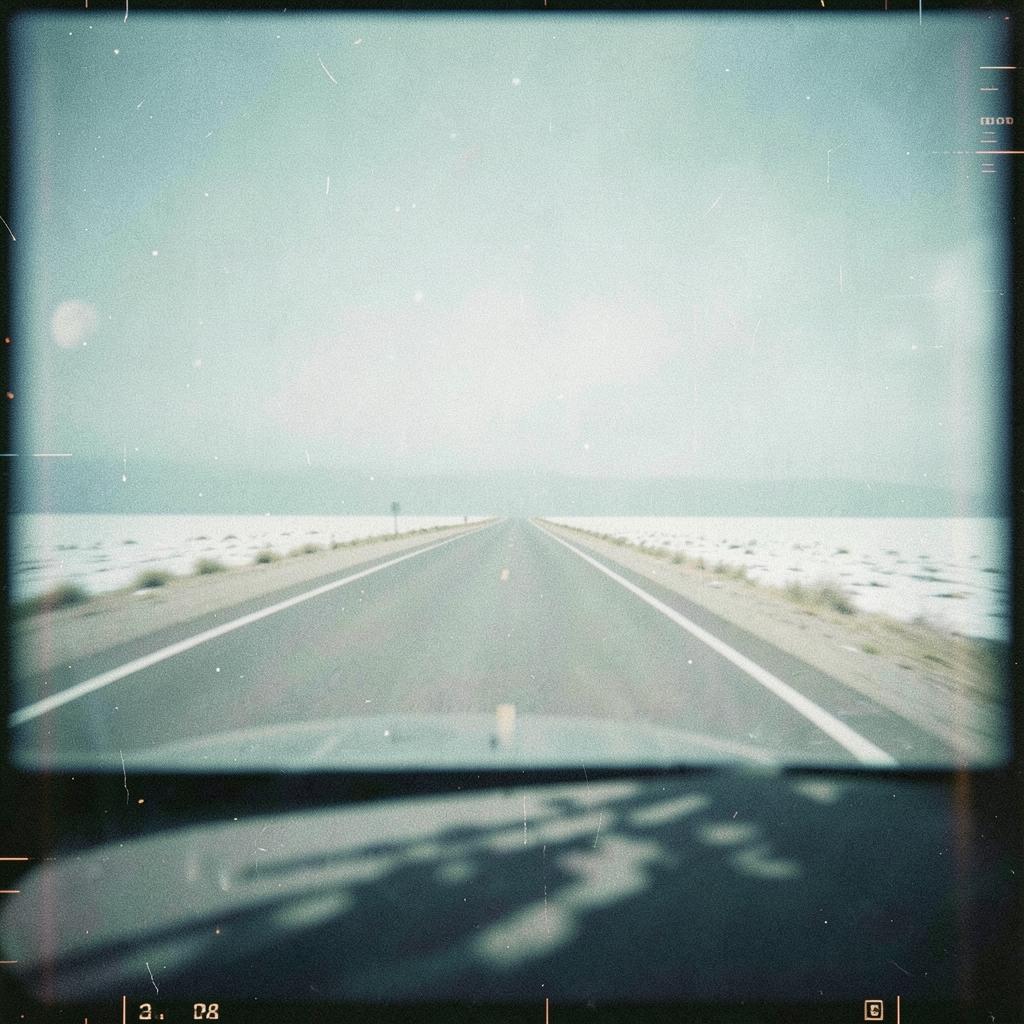
Headlights reveal only a short stretch, while the moon crosses the whole mountain road. Over more than five minutes, Bajiao sings departure, looking back and a heart still willing to love. The Lancang and Ganges face one another across the lyric without being collapsed into one culture.
Open the complete work ↗
Someone tilts an umbrella toward another person, someone keeps watch until morning, and someone stands like a bridge. Across twenty-seven contemporary lines, Lin Juyi carries a rough pair of hands toward a row of lights. This is a musical parable of ordinary care—not a documentary claim about real responders or a specific disaster.
Open the complete work ↗
Food remains warm on the stove and moonlight waits by the door. Mary does not make homecoming easy: mud, exhaustion, fallen eaves and names that cannot be forgotten arrive before one lamp finds another. This is a contemporary song about holding one another—not documentary evidence of a particular disaster or family.
Open the complete work ↗
From falling into a storm to passing the beam toward daybreak, Lin Juyi names disorientation, weight and an iron gate before one refusal becomes a row of lamps and an answering horizon. Storm, city and sea are contemporary song images—not records of a real disaster, rally or political event.
Open the complete work ↗
A wheatfield horizon, an old letter, a window lit for someone returning and one heart finding another place the second Same Beam of Light chapter on an ordinary long road. Mary does not turn hurt into a miracle: warm mezzo, cello, acoustic guitar and a slowly approaching choir make room for a tired listener to stop.
Open the complete work ↗
Wind crosses an old schoolyard; a white shirt, desk, sunset and bell bring shared memory back into view. Lingwan lights the first chapter of The Same Beam of Light with a clear, finely drawn voice—one person's recollection opening gradually toward distant voices and the promise that we can still sing together.
Open the complete work ↗
The same rainy-night tavern and restrained reunion move from close breath into a wider cinematic space. Cinematic Female does not inflate ‘I hope life has treated you gently’ into a grand declaration. Piano, acoustic guitar and soft strings hold an ordinary wish: however large the city becomes, two people can still sit down and let the rain finish their silence.
Open the complete work ↗
The same rainy-night reunion lyric enters a third complete voice. The comparison now moves beyond close breath and widescreen scale toward a steadier singer willing to let an ordinary greeting last. Forever Female does not shout permanence as a slogan; she turns an umbrella, a window seat and one restrained wish into a sense of time that can stay with a listener.
Open the complete work ↗
‘The stars are near tonight’ moves from private vow toward row after row of lights. Lin Juyi first carries loneliness, weather and companionship as one person's decision; only then does the choir enter. Ten thousand is not a headcount here, but the scale on which this sister song opens private commitment into collective response.
Open the complete work ↗
Moon, old lattice, embroidery thread, water sleeves and one bridge draw Qixi from grand legend into an intimate air. Lingwan's clear, finely etched character voice makes ‘afraid to meet, afraid not to’ the song's real action: before crossing, the heart is allowed to pause for one beat.
Open the complete work ↗
The same sky, yellow flowers and frosted woods return, but 01A leaves the water-polished extended tones of 02A for a longer, more immediately singable narrative line shaped by pipa, guqin and soft strings. The text stays; the speed at which Lingwan lets go changes.
Open the complete work ↗
Mirror, flowered face, silk jacket and golden partridges are not static palace décor. Delayed rising, delayed dressing and the face caught between two mirrors let a short morning ritual hold a much longer wait. Lingwan sings all eight Wen Tingyun lines, then lets a four-line contemporary refrain enter the old lyric; classical source and present-day answer keep separate identities.
Open the complete work ↗
Fusang first brightens above a sea of cloud; only then does Dong Jun arrive through dragon carriage, thunder, cloud banners, the Heavenly Wolf and cassia wine. Dai Amei sings no reconstructed ancient rite, but a sun rising again now: twelve classical lines and ten performed contemporary lines illuminate one another while keeping their boundaries.
Open the complete work ↗
Heaven's Gate is not scenery but a threshold for questions of long life, early death, parting and reunion. Dai Amei sings through dark clouds, rushing wind, freezing rain and the Nine Provinces: nine of fourteen classical couplet-lines are selected, while four contemporary lines return the ancient question to the present without pretending to reconstruct a rite.
Open the complete work ↗
A cassia boat waits between the Yuan and Xiang rivers, but the clear female voice does not invent a reunion for the poem. Fourteen of Xiang Jun's thirty-eight source clauses are sung, with one repeated; six recomposed or new lines bring river, orchid banner and Dongting cloud into the present while keeping the join visible.
Open the complete work ↗
Autumn orchids, purple stems, a cloud banner and returning wind arrive and vanish after a single meeting of eyes. The setting sings sixteen of Shao Siming's twenty-six source clauses, repeating the parting-and-new-knowledge couplet once; four recomposed or new lines bring recognition into the present without settling the deity's identity, gender or speaking voices for a long commentary tradition.
Open the complete work ↗
Autumn wind raises Dongting waves and leaves fall across the water, but waiting receives no easy answer. The setting sings fourteen distinct clauses from Xiang Furen's forty received clauses, repeats its title clause once and joins them to seven recomposed or contemporary lines while keeping the seam visible.
Open the complete work ↗
Pine-like branches, mountain rain, hidden bamboo and an absent traveller keep Mountain Spirit's waiting inside a dark forest. The setting selects twelve distinct clauses from the received text's twenty-seven, repeats three at the close and adds seven recomposed or contemporary lines—without treating a female voice as proof of the spirit's gender, a reconstructed rite or a living community's identity.
Open the complete work ↗
New rain, moon among pines, water over stone, returning washerwomen and a fishing boat do not make the mountain uninhabited; quiet and ordinary life arrive together. The setting sings all eight lines of Autumn Evening in the Mountains, then adds five verbatim reprises and nine recomposed or contemporary lines inside a complete slow song.
Open the complete work ↗
River water, willow, eastern sun and western rain turn weather into an emotional pun. This setting does not pretend to reproduce the poem verbatim: three source lines remain, 唱歌聲 becomes 踏歌聲 in the second, and nine contemporary lines carry the riverside waiting into a complete slow song.
Open the complete work ↗
An autumn half-moon enters the Pingqiang River from Emei, then travels through Qingxi, the Three Gorges and Yuzhou. All four of Li Bai's lines remain, but 212 seconds are not disguised as a recovered Tang score: ten contemporary line positions keep boat, voice and distance moving downstream.
Open the complete work ↗
No light step crosses Hengtang; only a gaze, a moon bridge, dusk over the fragrant bank and plum-season rain remain. The song carries He Zhu's celebrated grass, willow floss and rain while separating textual witnesses, alterations and new refrains. Its three minutes thirty-five seconds are a contemporary setting—not a recovered Song score.
Open the complete work ↗
Under the Chang’an moon, households beat cloth while autumn wind carries longing toward the Jade Gate. The song keeps all six lines of Li Bai’s Autumn Song before adding city walls, clothing and a hoped-for return. Its black-and-white source image mistakes clothes-beating for a mortar and pestle; the AI visual error stays disclosed rather than being passed off as Tang-life reconstruction.
Open the complete work ↗
Spring tide meets the sea as the moon rises with it; flower woods resemble sleet and white sand vanishes into flowing frost. The song begins with the opening eight lines of Zhang Ruoxu’s Spring River, Flowers, Moon, Night, then gives the water’s edge to a four-line contemporary refrain. A crayon-like giant yellow moon, winding river and pink flowers form a childlike source image—not a Tang landscape or record of living Dai life.
Open the complete work ↗
Someone crosses the water for lotus, intending the flower for a distant beloved, then looks back toward home across an immeasurable road. The song carries the full eight-line narrative before moonlight falls on a sleeve and an undelivered flower becomes present-tense longing.
Open the complete work ↗
Evening commuters pass a city river as lights fall into the water. Someone who has not looked back for too long removes one earbud and suddenly hears home. Clear Water River is not a named point on a map, but an imagined route from urban hurry toward moonlit stilt-house memory and an inward home.
Open the complete work ↗
‘Lotus picking at Southern Pond in autumn’ enters a small boat from Southern Dynasties yuefu. After four inherited lines, river wind, moonlight, the lotus seed’s faint bitterness and someone still waiting carry the story into the present.
Open the complete work ↗
One moon shines on both frontier passes and a bamboo house. Beginning with one exact Wang Changling line, the song rewrites Qiang flute, willow and the Jade Gate into a contemporary homesickness that hulusi can answer.
Open the complete work ↗
‘The hulusi asks the bamboo grove; the bansuri answers deep in the night.’ Instead of melting two voices into vague exotic colour, the song lets them hear one another across distance and turns that distance into a complete quiet ballad.
Open the complete work ↗
‘Not every passionate love must be shouted into the centre of the world.’ The hook lies in that quiet reversal: love grows not through louder drums, but through moonlight resting on a shoulder and breath carrying each word close to the ear.
Open the complete work ↗
‘The light is not out; the song is not over.’ A glass, half a moon and a tavern afraid to speak too loudly keep an unfinished love until morning. Breathy Female does not enlarge the hurt; she lets memory sway almost imperceptibly.
Open the complete work ↗
‘The rain is close; so are you.’ An umbrella left by the door and an old photograph pressed between pages bring an unfinished sentence back beside the ear. Breathy Female makes distance feel small without allowing the voice to dissolve.
Open the complete work ↗
Before daylight fully arrives, a metro entrance, corridor, school gate and one morning bowl are already carrying a city. Lingwan does not turn ordinary people into an inspirational poster. Her clear, grounded voice lets a day without applause possess its own light.
Open the complete work ↗
A lamp, a row of people and an imagined city move from silence into one voice. Lin Juyi first faces the wall alone, then hands the answer to a choir. This third chapter completes Lights of the Human World—and makes all three Four-Lead Suites fully playable, 12 / 12.
Open the complete work ↗
‘Who is singing by the Peacock River?’ The song does not reconstruct peacock dance. It gathers opening feathers, river water, silver and hearth into one person’s unhurried wait: the wind turns cool, and the moon keeps waiting in her place.
Open the complete work ↗
‘One was a date tree, and the other was also a date tree.’ Lingwan does not turn Lu Xun's uncanny repetition into a classroom recitation. Sparse piano, low cello and xiao draw the back garden close before a clearly disclosed contemporary refrain answers its high, cold sky.
Open the complete work ↗
Jiangnan snow is moist and beautiful; northern snow turns like powder and sand across a boundless wilderness. Mary does not choose a winner between them. Her grounded mezzo carries the turn from news of youth toward a solitary spirit.
Open the complete work ↗
Heaven, hell and the future golden world all contain what the shadow rejects. Male Slow keeps ‘I will not go’ low and recurring until farewell becomes more than leaving a friend: it is a refusal to be absorbed by any ready-made destination.
Open the complete work ↗
Lotus fragrance fades, the jade mat turns autumn-cool, wild geese cross a moonlit western chamber. Dai Amei carries Li Qingzhao's complete lyric into today's headphones, then answers it with one new line—‘Amei softly sings late autumn’—without blurring inheritance and new writing.
Open the complete work ↗Seven creative-method essays sit beside work-level notes on Dream of the Red Chamber, Chinese classics, British and American poetry, world civilizations, world music and slow songs about ordinary lives. Every piece has complete Chinese and English editions.