2:20
Wang Shifu · Romance of the Western Chamber · 02A · Lingwan
Farewell at the Long Pavilion · Lingwan
长亭送别·昆曲灵婉Blue-green sky, yellow flowers, west wind and southbound geese are not decorative autumn scenery. Together they enlarge the plea Yingying cannot openly make. Lingwan does not turn departure into a cry; each long final tone is allowed to release slowly.

Press play. Let it finish.
Hear Lingwan's Farewell at the Long Pavilion, 02A: a Kunqu-inflected setting of Wang Shifu, with a complete lyric film and the quiet ache of an autumn farewell.
Lyrics
[Intro]碧雲天,黃花地,西風緊,北雁南飛。[原曲]碧雲天,黃花地,西風緊,北雁南飛。曉來誰染霜林醉?總是離人淚。[Instrumental Interlude][原曲]恨相見得遲,怨歸去得疾。柳絲長,玉驄難繫,恨不倩疏林掛住斜暉。馬兒迍迍的行,車兒快快的隨,卻告了相思迴避,破題兒又早別離。[Refrain]聽得道一聲去也,鬆了金釧。遙望見十里長亭,減了玉肌。此恨誰知?此恨誰知?[Outro]曉來誰染霜林醉?總是離人淚。Hear the crossing without erasing either shore.
Autumn carries the feelings that cannot be spoken
“总是离人泪”:秋色也是人物的心事From blue-green sky and yellow flowers to the frosted woods stained by the tears of parting, autumn expands the plea Yingying cannot openly make. The lament of meeting too late and leaving too soon draws the wide landscape back between two people: their meeting is brief, the road is long. Lingwan lets each final tone release slowly, carrying a separation shaped by propriety, ambition and distance in a voice that stays light and sustained.
Long, rounded phrases leave time to look back
水磨般的拖腔,让短短一句也有回望的时间In 02A, spoken recitative enters song through a free-rhythm opening and a slow unfolding pulse. Qudi, pipa, guqin, clappers and light gong cues support Lingwan's delicate voice. Extended tones turn short phrases into backward glances; pauses leave the plea hanging in the air. The same-text 01A narrative-ballad edition is also in the library. One version feels closer to telling the story, the other to lingering before departure.
A stone lantern, a wet road and a faded ribbon
石灯、湿路与褪色丝带,陪歌声走到尾音A leaf-strewn wet road, a stone lantern and a faded ribbon provide the image for the complete lyric film. Traditional-character captions move from the opening sky and flowers to the final question of who can know this grief, accompanying the recitative, slow singing and sustained tones. Autumn stays in the image; the reluctance to part stays in the voice.
LINGWAN
灵婉Meet Lingwan, Weiyang Sound's clear, finely articulated virtual singer across Lu Xun's Autumn Night, classical Chinese texts, the Esperanto-Mandarin La Sama Stelo, then an old highway, the Mediterranean, Showa night, Jiangnan rain and Nordic snow. All thirty-three complete masters now play on site.
More from this singer ↗Music becomes a vertical window.
Let the images follow the melody through the song's landscapes, characters and changing moods.
This recording has a long-form life of its own.
Continue from the whole song into the character, poem and creative choices behind it.
Farewell at the Long Pavilion
长亭送别The long pavilion is more than a station. It is where love is pulled apart by propriety, ambition and distance at once. Yingying and Zhang Sheng cannot simply refuse the departure, so autumn, carriage wheels and a farewell meal speak their reluctance slowly for them.
STORY 37 · READ AFTER LISTENINGFarewell at the Long Pavilion — Lingwan Version
长亭送别·灵婉版The same pavilion farewell changes when carried by another voice. Lingwan’s route does not make sorrow larger; it lets each word land like a stitch, bringing Yingying’s restraint closer to the ear than open lament.
After this song, there is more than ‘next’.
A catalogue order can only point forward. This compass explains three different reasons to continue: follow a voice, stay with a cultural thread, or cross a language bridge. Every doorway opens a verified complete master.
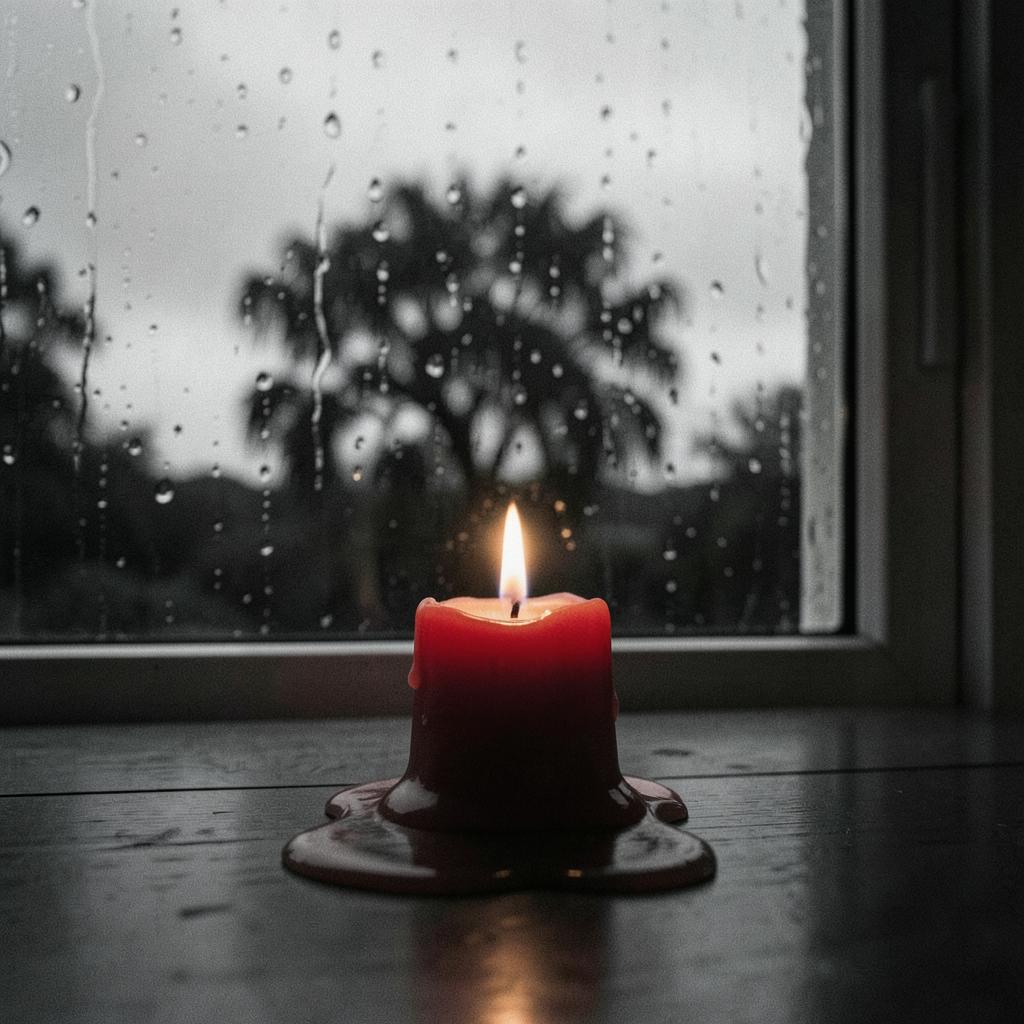
Incense from the Jade Burner · Lingwan
玉炉香·灵婉LINGWAN continues in a different work, so character continuity can be heard rather than merely asserted.
LINGWAN · Wen Tingyun · Geng Lou Zi (Incense from the Jade Burner) · 01D · LingwanOpen the complete recording ↗
Donghuang Taiyi · Dai Amei
东皇太一·傣族阿妹Stay inside Enter 100 Chinese Classical Poems, but let another complete work change the angle of entry.
DAI AMEI · Qu Yuan · Donghuang Taiyi from Nine Songs, excerpted with contemporary refrains · Dai AmeiOpen the complete recording ↗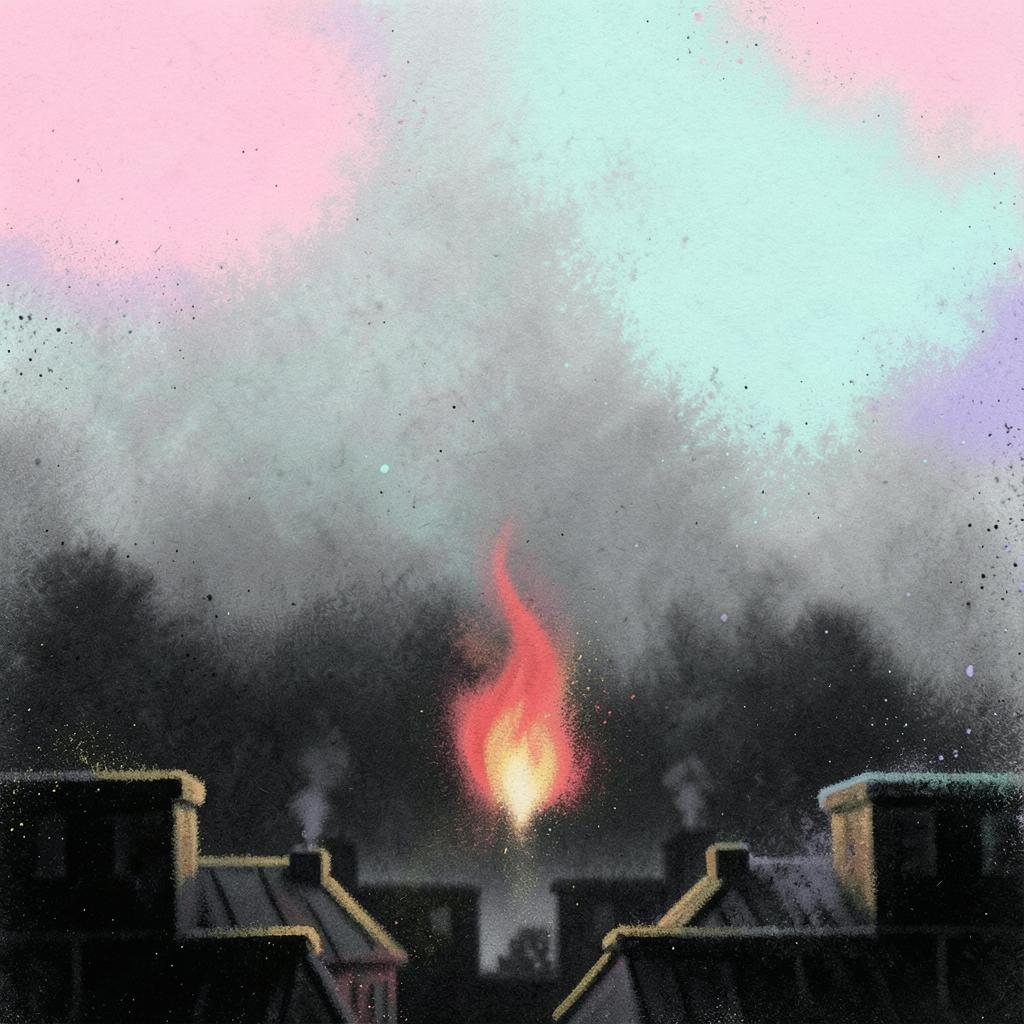
After the Storm
风暴过后Mandarin Chinese · traditional-character source captions gives way to English · source lyric captions. The shift is audible, and both cultural origins remain named.
CINEMATIC FEMALE · Cinematic Female · English end-credit ballad · orchestra and gradually entering choirOpen the complete recording ↗The song ends. Its cultural life continues.
One recording. Three natural ways to share it.
Choose the note that sounds most like you, add your own thought, or share the complete recording or film on another site.
听灵婉《长亭送别》02A:昆曲风味的元曲新唱,在秋风、南雁与长亭之间,听一场含蓄的告别。附完整歌词影像。 @liwei 创作 · Suno 赋能。
Blue-green sky, yellow flowers, west wind and southbound geese are not decorative autumn scenery. Together they enlarge the plea Yingying cannot openly make. Lingwan does not turn departure into a cry; each long final tone is allowed to release slowly.
Hear Lingwan's Farewell at the Long Pavilion, 02A: a Kunqu-inflected setting of Wang Shifu, with a complete lyric film and the quiet ache of an autumn farewell. by @liwei · made with Suno.