One work a day, from first sound to final decay. Ninety verified complete masters rotate on a stable UTC calendar—without a popularity chart, personal tracking or pretending that today's turn is a new release.
Thu, November 19, 2026CYCLE DAY 85 / 91 · UTC
TODAY'S COMPLETE RECORDING · 2:48Sun and Rain in a Bamboo-Branch Song竹枝晴雨
TODAY'S COMPLETE RECORDING · 2:48
Sun and Rain in a Bamboo-Branch Song
竹枝晴雨
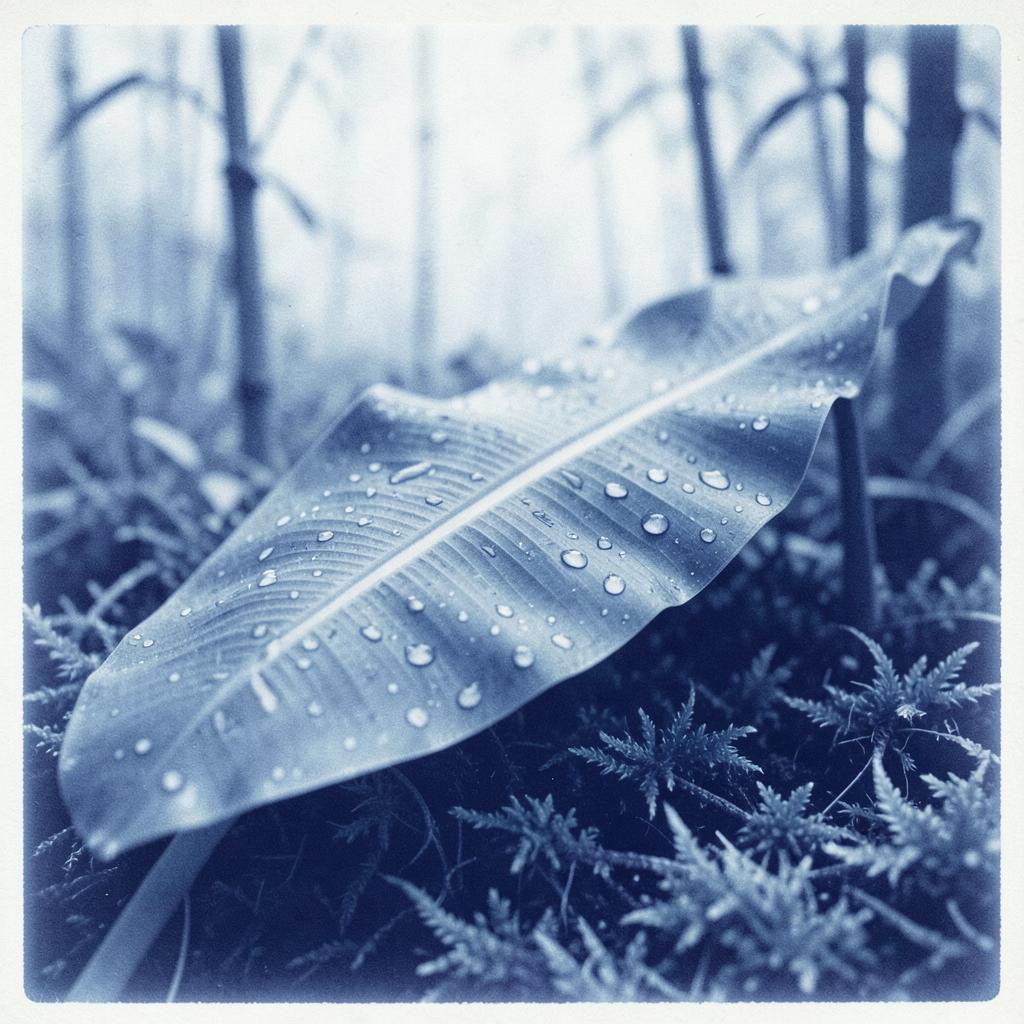
River water, willow, eastern sun and western rain turn weather into an emotional pun. This setting does not pretend to reproduce the poem verbatim: three source lines remain, 唱歌聲 becomes 踏歌聲 in the second, and nine contemporary lines carry the riverside waiting into a complete slow song.
WHY THIS WORK STAYS · BEYOND THE ARTWORK
Hear it whole first. Then read why it remains.
01 · THREE VERBATIM LINES, ONE ALTERED LINE
The source label says ‘original poem,’ but its second line changes singing into footsteps
The public source prompt contains twenty-nine lines, 241 characters and 531 UTF-8 bytes, hashing to 15b21fdaef6c4edd6b5775197ca823c9230f8db88fd0778ad093b7f55e2b48eb. Removing structural labels and blank lines leaves eighteen performed lines, 160 characters and 446 UTF-8 bytes, hashing to 786ed682ee7e6a8ab5b0bffa780f4f3f1b67c5d1d77da14e889627cab7f0098a. Against the first of Liu Yuxi's Two Bamboo-Branch Lyrics as preserved by Chinese Wikisource, three of its four seven-character lines remain verbatim: 楊柳青青江水平, 東邊日出西邊雨 and 道是無晴卻有晴. Ignoring punctuation, they occur two, three and two times—seven exact source-line occurrences. The received second line reads 聞郎江上唱歌聲, but the master twice sings 聞郎江上踏歌聲. The source section label ‘original poem’ therefore does not make that alteration verbatim. Nine remaining lines are recomposed or contemporary, including a song crossing the river, water hearing the heart, a light boat-song, arrival through rain and waiting in sunlight. Traditional-character master, simplified source captions and the received text remain distinct.
02 · A CONTEMPORARY SOUTHWEST COLOUR, NOT A LIVING-TRADITION CLAIM
A Tang poem can meet Dai Amei's voice; a generation brief cannot certify a living tradition
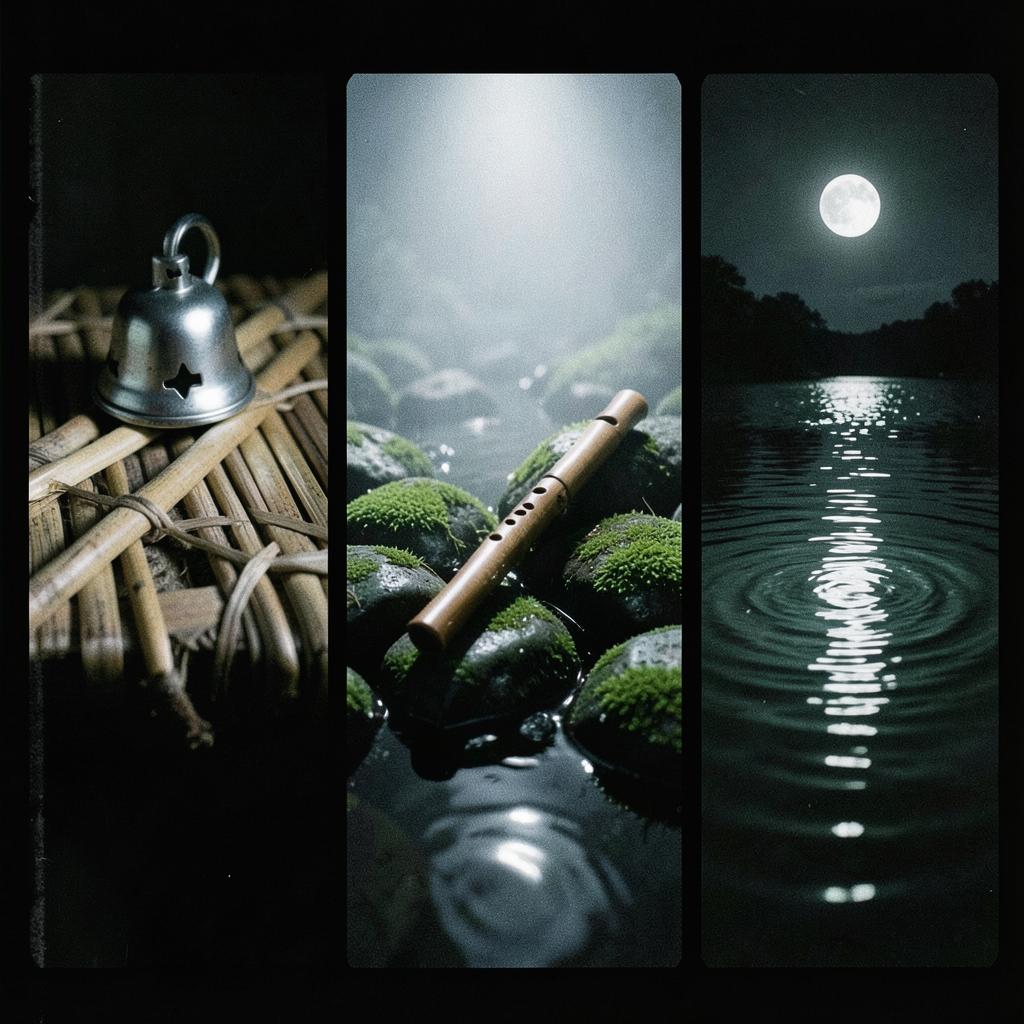
The 260-character source tag brief says ‘Chinese bamboo-branch folk song meets Dai ethnic female voice’ and requests a southwest river village, delicate bright folk vocal, hulusi, bamboo flute, plucked strings, soft hand drum and a playful but tender Mandarin melody. It hashes to 3954f8f052e2bc0144a8daa2f2070fd76780c309547a8b95ec38e42efaa57fc6. The archive treats these phrases as William Lee's contemporary cross-cultural AI-music direction—not evidence of a Tang score, Liu Yuxi-era vocal practice, human instrumental performance, reconstructed Bayu folk song or living Dai tradition. Waterside imagery, bamboo-pipe colour and a clear virtual voice may meet, while their historical and community boundaries remain equally explicit.
SEVEN-DAY WINDOW · COMPLETE SONGS ONLY
Three days either side. Every ending intact.
These dates are not release dates; they are shared listening coordinates. Open any day and the Chinese and English editions land on the same verified master.
UTC · 91-DAY STABLE ROTATION · NO PERSONAL TRACKING
Not a chart. A daily promise to hear one work properly.
The rotation claims neither hottest, best nor newest, stores no personal taste profile and never recounts a work because it appears under another dated URL. The same stable order returns after ninety-one days.
PASS ONE COMPLETE SONG ON
Hear Dai Amei's Sun and Rain in a Bamboo-Branch Song in full: a 2:48 Mandarin setting of Liu Yuxi with complete MP3 and full vertical source-lyric film. Three source lines remain verbatim, 唱歌聲 changes to 踏歌聲, and nine recomposed or contemporary lines are disclosed.
Today's Complete Listen|Sun and Rain in a Bamboo-Branch Song|Weiyang Sound