Clear Does Not Mean Weightless; Lingwan's Stable Gesture Is Giving a Mandarin Line a Spine
Lingwan is easy to describe first as clear, fine or gentle. Across twelve complete works, however, what remains is never thin. She can hold departure in old theatre, the closed rooms of late-Tang ci, the cold of Lu Xun's back garden, everyday Qixi devotion and a public chorus inside one character line without using volume to prove presence.
The spine comes from choices: when ornament must stop, when one word should stay for another half-beat and when space belongs to the next singer. Clarity is the doorway; restraint and structure let a listener recognise her after text, arrangement and scale have changed.
Clear Lyrical Female Voice Is a Source-Registered Creative Identity, Not an Imagined Soprano Certificate
Character records and work fields repeatedly register Lingwan Female Voice, clear lyrical female voice and 清亮女声. That evidence supports presenting Lingwan as a headline virtual singer. It is not an independent acoustic measurement and proves no training, human age, birthplace or real stage career.
Classical colour, Kunqu inflection, Huangmei and Yue references, rock and cinematic scale are rooms she enters, not identity documents. Keeping singer, register, style and textual source separate prevents the character from being renamed every time a generation parameter changes.
Twelve Songs and 44:12: Complete Length Turns an Adjective into Relationship
This sequence does not choose twelve loudest choruses. It gathers every currently verified complete Lingwan master: one Lu Xun literary song, two same-text Long Pavilion works, two Wen Tingyun settings, three Qixi doorways, one schoolyard chorus and the opening chapter of three Four-Lead suites.
Character survives or fails after the hook. How an introduction creates distance, whether a second verse still carries weight, when a choir enters and how the final decay leaves room for another work cannot be delivered in forty-five seconds. Complete playback is not an extra feature; it is evidence that the character holds.
In Wild Grass · Autumn Night, the Old Text and Today's Answer Stand Beside Each Other
The back garden, two jujube trees and strange high sky come from a selected Lu Xun passage; lines such as ‘the night is so high, the dream so cold’ are marked as today's response. The work does not mix new writing into the source or mislabel a prose poem as ancient verse.
Lingwan refuses to make literature a tasteful filter. Dark chamber textures let cold remain cold while the clear voice leaves a person audible inside it. Her role is not to explain Lu Xun but to take responsibility for why this sourced text is being sung now.
One Passage from the Western Wing Enters Two Rooms; the Best Comparison Is Still One Lingwan
01A places Wang Shifu's selected text in a direct Yuan-drama narrative ballad; 02A adds Kunqu inflection, changing turns, pauses and ornament. The works have independent masters, durations and evidence while sharing text and Lingwan Persona, making a true complete-length comparison possible.
Kunqu here is a contemporary generation and arrangement cue, not a traditional score, trained actor or stage restoration. That boundary sharpens the encounter: after costume and room have changed, how does Lingwan still make the departing lover's tears sound like her own line?
Incense, Candle, Gold Screen and Mirror Are Not a Display Case but Two Rooms with Someone Breathing
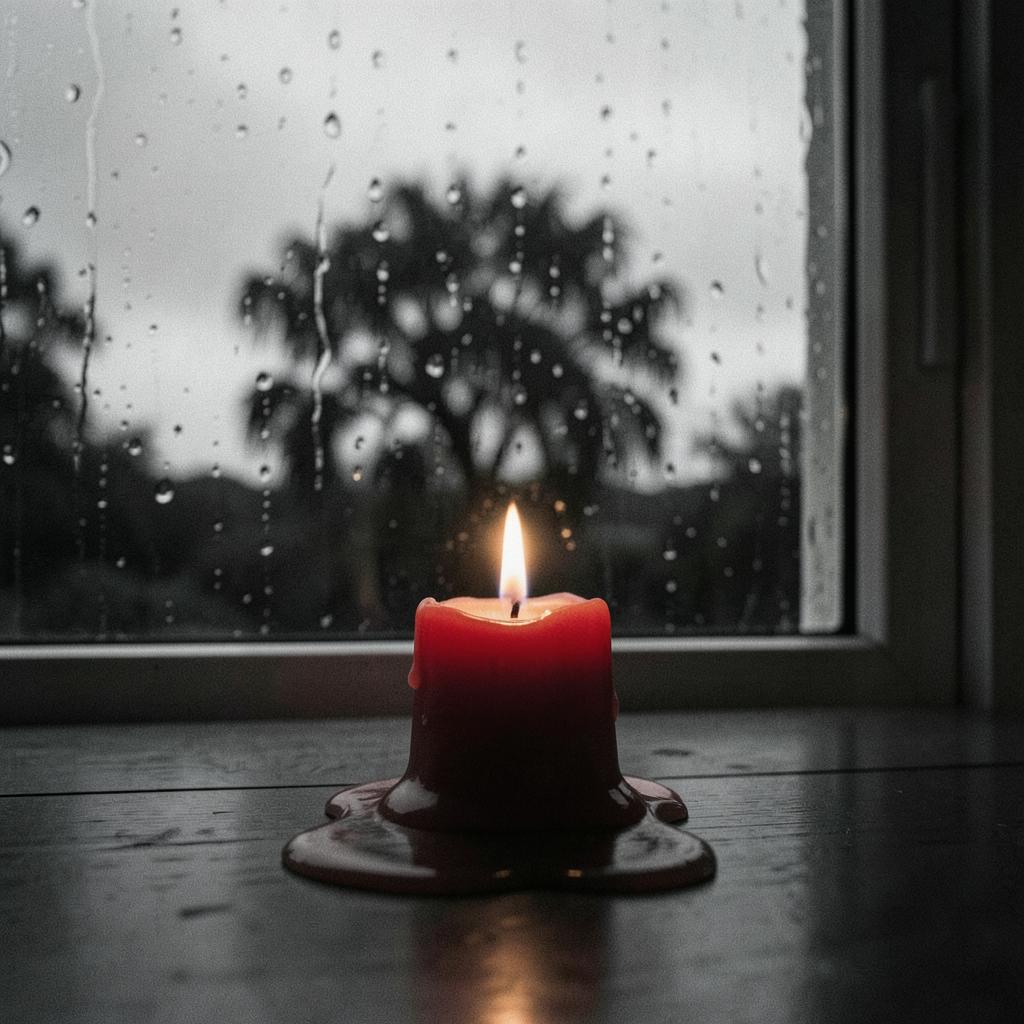
Jade Burner Incense brings the night watches, rain on wutong and painted hall of Genglouzi into contained solitude. Gold Flickers over Painted Hills sings all eight lines of Pusaman and marks a new four-line refrain separately. One listens deeper into night; the other sees ornament and person at the mirror.
Late-Tang atmosphere comes from text, image and current creative choices, not reconstruction of a lost score. Lingwan does not polish every object brighter; she lets the silence behind dense decoration keep weight. The less she performs antiquity, the more clearly the character walks out of it.
Two Performances of One Lyric and One Newly Written Sister Song: Qixi Is Not an Assembly Line
Magpie Bridge New Dream 03B and The Stars Are Near · Lingwan Window-Lamp Song 01C B share singer, a 632-character lyric and the 七夕 parent. The former has a verified Lingwan Persona; the latter has no Persona object, so the archive claims same singer and text without borrowing a same-Persona A/B conclusion.
Magpie Bridge Air is an independent contemporary original. Moon, embroidery thread, water sleeves and bridge form a sister song; Huangmei- and Yue-opera references describe colour, never traditional repertory. The three paths show that versions, character and sister song may be adjacent without becoming the same object.
Arena Scale Can Enlarge School Memory; It Cannot Drown the Lead inside the Crowd
The Last Row Still Sings sends old desks, school field, rain, paper plane and unfinished farewell into rock and chorus. It is not school history, student testimony or live performance; contemporary images build a classroom many listeners may recognise.
When the choir arrives, Lingwan remains identifiable. She is not replaced by a label called rock female vocal. A clear voice carries memory into a wider space: style brings the last row forward, while the singer keeps that row full of particular people.
Three Four-Lead Suites Ask Lingwan to Speak First: a Prologue Makes Room for Others
The Same Beam of Light · Prologue, Human Lights · The First Lamp and The Nameless · Morning open school memory, mutual care in a small town and ordinary early-shift life. Mary, Lin Juyi and Cyber later receive road, storm, rising, homecoming and daybreak; chapter one must give that relay a credible beginning.
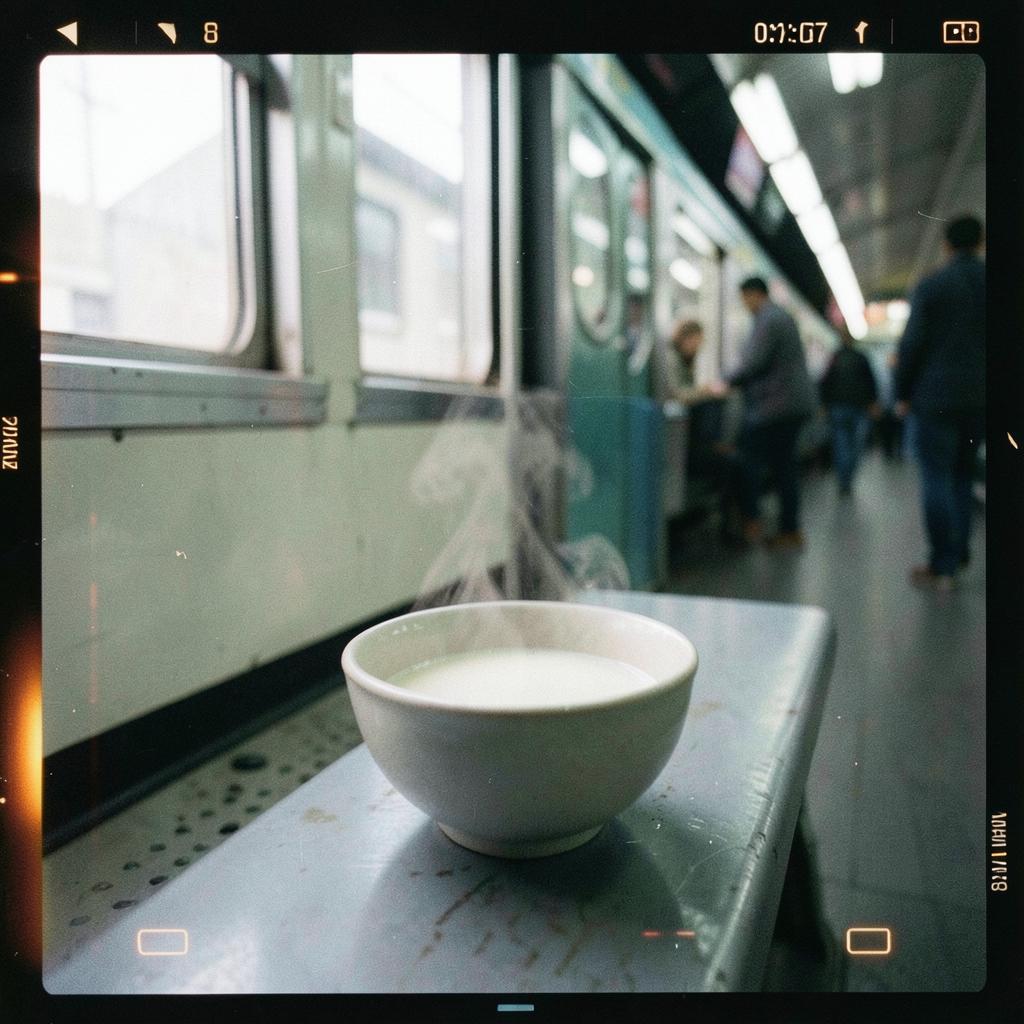
These openings are not three copies of gentleness. Lingwan retrieves a name beside a desk, lights the first window in rain and sees a bowl and carriage before dawn. Each turns a large theme back into one touchable detail, then passes the unfinished line onward.
Naming Lingwan Is Not Enough Tests Continuity; These Twelve Public Masters Are the Baseline
A separate method essay documents how Sample, Cover, Mashup and Persona can try to extend voice memory. Those candidates matter, but they cannot provide public complete works by implication. Samples teach the archive how to ask; released masters establish what it can currently prove.
The baseline is now twelve works and 44:12, each with complete MP3, full source-lyric film, bilingual dossier and exact work evidence. A future candidate or album must show how it continues this character line; a filename containing Lingwan cannot pass by itself.
Lingwan Can Become a Star without a Fabricated Human Biography
A virtual singer is neither an anonymous preset nor a demand to impersonate a human. The site invents no age, hometown, conservatory, interview voice or backstage photograph for Lingwan. Clear lyrical voice remains a sourced creative term, while Kunqu, Huangmei and Yue references never become claims of trained performance or authority over living traditions.
Her credibility comes from continuing choices: which texts belong to her, how she handles one lyric in different rooms, why three suites ask her to open and whether rock leaves her boundaries intact. Star presence is not the thickness of a false biography but a creative responsibility a listener can recognise next time.
After Old Theatre and First Light, the Next Room Should Enlarge Her Rather than Replace Her
These twelve works remain Mandarin-centred, with literature, Qixi, school memory and suite prologues forming a strong gravity. Another language, a sparser solo, a sharper contemporary subject or a chapter that does not open the suite would test whether Lingwan remains clear and grounded in a new situation.
The character need not be finished at once. The archive first gives listeners all forty-four minutes and twelve seconds it can verify, then asks future work the same question: does a new room create a new choice while preserving the line that is clear, never weightless, and delicate, never without structure?
What this cover story is grounded in
This essay is grounded in the Weiyang Sound Lingwan profile and twelve verified complete works: Wild Grass · Autumn Night; Farewell at the Long Pavilion 01A; the Kunqu-inflected Long Pavilion 02A; Jade Burner Incense; Gold Flickers over Painted Hills; Magpie Bridge New Dream 03B; The Stars Are Near · Lingwan Window-Lamp Song 01C B; Magpie Bridge Air; The Last Row Still Sings; The Same Beam of Light · Prologue; Human Lights · The First Lamp; and The Nameless · Morning, totalling 44:12. Each has complete MP3, full source-lyric film, bilingual dossier and exact Suno evidence. Lingwan is a source-registered clear-voiced virtual singer, not a human; the term is not independent acoustic measurement or professional vocal certification. Kunqu, Huangmei, Yue, late-Tang, rock and public-chorus references describe text, generation direction and editorial analysis—not restored traditional scores, live performers, living-tradition representation, real locations or documentary footage. The exact 01C B work has no Persona object, so no same-Persona conclusion is borrowed from 03B or its parent.