The original Suno source remains available alongside the listening options here.
A letter without an address still asks after you.
Mandarin · plaintive slow-song direction · theatrical shading and sustained diction
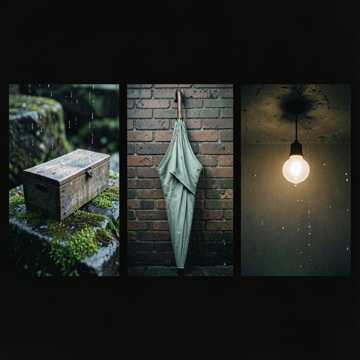
Light rain marks the day of departure, yet the old umbrella stays in its corner. The lyric leaves the traveller’s fate unstated. A letter with no address, an unfinished goodbye and wind passing a wayside pavilion form a concern that cannot find its destination. Asking again is a refusal to withdraw the greeting, not a demand for an answer.
Water from the eaves seems to knock at the door; a wooden chest still holds autumn’s last warmth. A dream of a figure aboard a boat sends reunion beyond distant clouds. The bridge asks only for a longer dream, enough to hear a name spoken fully. The final verse turns a lifetime written as a letter into the remaining years sung toward someone far away.
The public creative brief calls for an expressive, plaintive Mandarin slow song with theatrical shading, fully sustained syllables and circling melodic hooks. The introduction follows the repeated question and its narrative weight without inventing instruments, a performer’s identity or scenes from an unmade music film.
Read the lyrics
[Verse 1]
你走那天 雨落得很轻
门前的青苔 没有人问
我把旧伞 收在墙角
等一场 不会回来的春
[Pre-Chorus]
后来每盏灯 都亮到深夜
照着我 没说完的那句再见
[Chorus]
若你听见 风经过长亭
请替我问一声 你还好吗
我把一生 写成一封信
却没有地址 寄到天涯
啊——你还好吗
啊——你还好吗
这一句 唱到白发
[Verse 2]
屋檐的水 一滴一滴
像谁在门外 轻轻叩问
你留下的 那只木箱
还藏着 秋天最后的余温
[Pre-Chorus]
我曾梦见你 站在船头
回头一笑 又隔万重云
[Chorus]
若你听见 风经过长亭
请替我问一声 你还好吗
我把一生 写成一封信
却没有地址 寄到天涯
啊——你还好吗
啊——你还好吗
这一句 唱到白发
[Bridge]
若重逢只在梦里发生
我愿梦长一些 再长一些
让你把我的名字 唤完整
让这一盏灯 不必熄灭
[Final Chorus]
若你听见 风经过长亭
请替我问一声 你还好吗
我把余生 唱给远方听
唱到山低水尽 也不放下
啊——你还好吗
啊——你还好吗
这一声 留在天涯
[Outro]
你还好吗……
你还好吗……