

FOLLOW A THEME
From Red Chamber characters and classical Chinese poetry to rainy-night rooms and world music, each album opens a world to stay in.
From a chair’s memories to moonlight and distant roads, scattered songs become a journey to take slowly. Languages and alternate recordings keep their own voices in this growing editorial collection.
A song becomes a memory in moving pictures. Revisit @liwei’s hand-edited music films, from poetry and love to everyday flights of imagination. Original titles and alternate edits stay together, one film after another.
Watch the MV series · 163 films →
Night roads, old-city memories and company: three editorial collections, each recording distinct. Meet the Cantonese route ↗
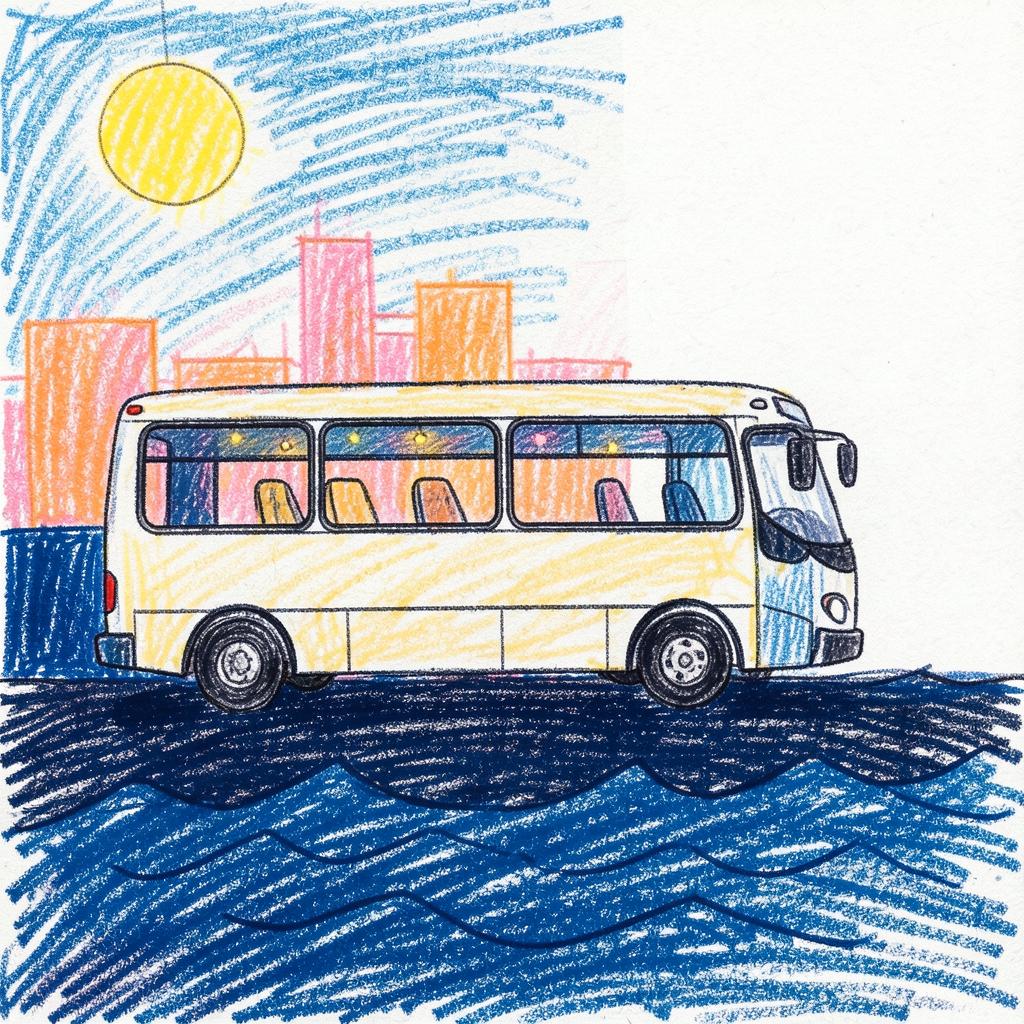
A last bus passes the waterfront, evening wind moves beneath a bridge, and the road opens toward Sai Kung moonlight and Lion Rock. Let the city slow down for a night of encounters and distance.
4 songs in the running order · 4 with complete on-site audio
Open collection ↗
A school bell, a rainy alley, a final cinema screening and a café after closing give memory a place. Slowness leaves room for unfinished words rather than demanding nostalgia.
6 songs in the running order · 2 with complete on-site audio
Open collection ↗
From offering someone light to holding their hand, then to a waiting fire and lamps with names: tender company and the courage to sing through tears each find a place.
5 songs in the running order · 3 with complete on-site audio
Open collection ↗From ancestry and fragrant plants to a search through the heavens and a glimpse of home, follow ten connected stages in the poem’s order. No musical vocabulary is required: begin with one line.
Ten exact public recordings, a short guide to each chapter, and the complete traditional-character reading text.
Open the ten chapters ↗Daiyu, Qingwen and Miaoyu meet through three songs, each carrying a distinct fate.
A growing collection begins at the Golden Coast.
4 music films and 25 songs: little adventures, the walk home and young voices opening into a choir.
Explore 368 complete songs by voice, poetry or mood, and find the next one you want to hear again.
Enter the 368-track Complete Archive ↗Follow an album through its themes, voices and changing moods, from the opening song to its afterglow—or choose one song to stay with you.

From moonlight at an old doorway to a window in the rain, Lingwan travels through Arabic, Turkish, Korean, Persian, Vietnamese and Thai, each with its own echo of longing.

Moonlight, farewell, a wounded landscape and wine open four English-sung encounters. Lingwan, Mary, Male Slow and a Bollywood voice carry classical words toward new listeners.

A Mandarin Celtic reply about passing years and companionship. Mary's complete performance meets firelight, hillsides and a horse-riding departure, allowing song and film to finish their own journeys.

Six Mandarin life stories begin at an old-city station, pass through a mother's scarf, a riverside shop and a night when fate turns, then settle beside a father's bicycle and a bridge of late-life reflection. Bollywood Male brings sweeping melody into ordinary lives.

Cyber Tenor unfolds seven complete vocal works across coast, highway and rooftop: leaving the Golden Coastline at first light, passing lighthouse and white road, then staying with the night through Until the World Lights Up after starlight and a bright farewell. The high register stays clear, steady and breathable.

Male Slow leaves from one lamp in an old harbor, passes a father's worn coat, a northern night train, an unsent letter, the locust tree at the old house and middle-age acceptance, then returns to the road at a rainy gas station. A warm bass makes homecoming a road that can be travelled in full.

Mary begins with a rose pressed in a book, crosses a winter moor, evening bells, a willow in rain and a river without a crown, then reaches autumn's last lit window. Warm mezzo, whistle, fiddle and low cello turn six literary images into one complete road.

Mary's warm mezzo joins mother, a lifetime of travel, passing time, homeland, fate and distant mountains across six chapters, with whistle, fiddle, guitar and low cello giving life's weight a road it can finish slowly.

Lingwan holds a graduation photograph on an old playground while Mary keeps a long road home inside one lamp. Youth and return illuminate each other across the years.

The feeling of Moon over the Mountain Road enters a Ganges moon vow, then widens through lead, response and massed choir into two independent cinematic soundscapes.

An Esperanto road of civilisations, a star bridge in the mountains, a northbound night train and a floral sash in mist meet as four routes beneath one sky.

One song searches for a name amid storm; two others find a place within Ecclesiastes' seasons and Psalm 23's still waters. Three complete works set public care and private reflection beneath one light.
Eleven virtual singers approach one near sky in turn. Register, character distance and cinematic scale keep changing while the emotional hook remains recognizable.
One Qixi motif enters deep female, clear female and South Asian cinematic male voices, making the boundary between cover, rewriting and sister song audible.
Qixi travels from a Chinese star river into Esperanto, a French café and contemporary opera-coloured song, letting each language take the melodic foreground.

From a name in the wind, embodied feeling and a fragmented self to urban drift and an English–Mandarin coast exchange, Chinese is not a subtitle here; it reshapes the breath of each line.

Bajiao begins among silver bells and rainforest rain, then crosses a night boat on the Lancang, an old flower-market umbrella and a tea-horse moon road before returning by lantern market and little Yunnan train. Six complete works turn one lead virtual voice into a continuing journey.

Mary travels through an old letter in sea fog, distant hills, fishing lights, a white sail, moonlight beside a stone house and a blue headland. Six complete Mandarin works give her warm mezzo a continuous road between Celtic strings and coastal storytelling.

Six English works travel through a letter in sea fog, hills leading home, lanterns after midnight, a white sail at dusk, moonlight by a stone house and wind over a blue headland. Mary's warm mezzo lets the language's own mouth-rhythm become an album of its own.

Beginning with Yeats and Browning, the route lets English poems find melody through their own mouth-rhythm before moving from complete song into vertical music film.

Mary's warm mezzo leaves on a rain-washed road, crosses the Ganges, chanson colour and a Mediterranean harbour, then follows distant hills toward a slow-burning lighthouse. Six complete songs keep one lead character continuous across changing world-music containers.
One Yuan-drama text enters Kunqu-coloured, narrative-ballad and contrasting vocal containers so the character can be tested across comparable versions.
Autumn in the Han Palace, Farewell at the Long Pavilion and related dramatic moments enter music through character, spoken weight and the pace of parting—not a generic ancient-style label.

Fragrance, curtains, night rain and difficult longing associated with Wen Tingyun enter Lingwan's detailed slow songs, turning textual density into breath rather than annotation.
Ritual afterglow, praise structure and the moral image of the orange tree enter contemporary music while retaining both gravity and distinct ethical light.

Hebo, Dong Jun, Da Siming and Xiang Jun move through rivers, cloud gates and cassia boats, turning spirit journey into four continuously playable musical chapters.

Yunzhong Jun, Shao Siming, Xiang Furen and Mountain Spirit emerge through cloud light, autumn orchids, Dongting leaves and mountain rain as a four-part mythic sound field.

A light boat, empty mountain, bamboo-branch sun and rain, and the moon over Emei carry classical landscape into a clear virtual female voice and illuminate journeys now.

Hengtang, Chang'an moon, windblown lotus and the spring river alternate within one waterside album, giving Song lyric and Tang poetry different light and water speed.
Bai Juyi's remembered Jiangnan meets river-crossing lotus from the Nineteen Old Poems, bringing memory and the distant beloved onto one surface of water.
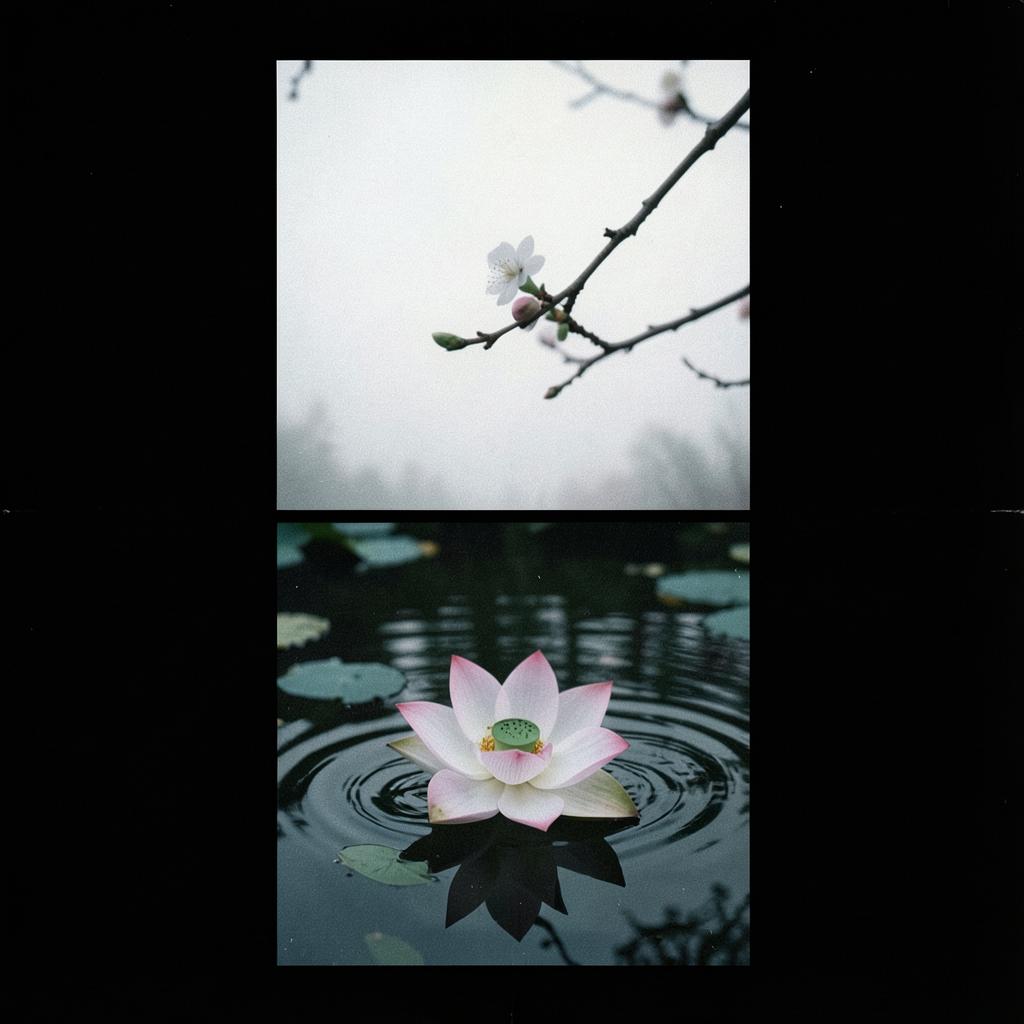
Xizhou Qu, Jianjia and two Tang lotus-picking poems enter repeatable melody as an album about searching, looking back and gathering on the water.
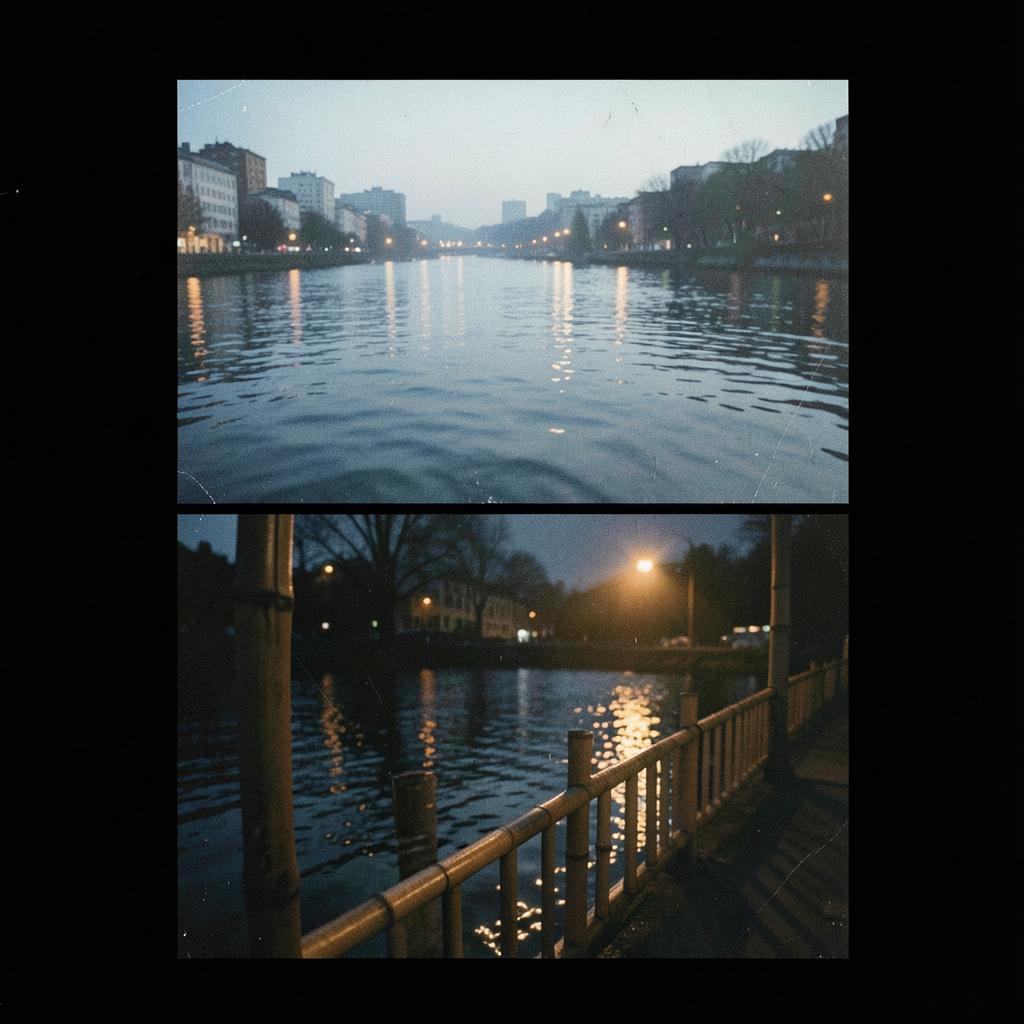
Clear Water River, a Mekong moon, bamboo-house antiphony and southern-pond autumn carry one virtual singer from classical watersides into urban homesickness and transboundary imagination.
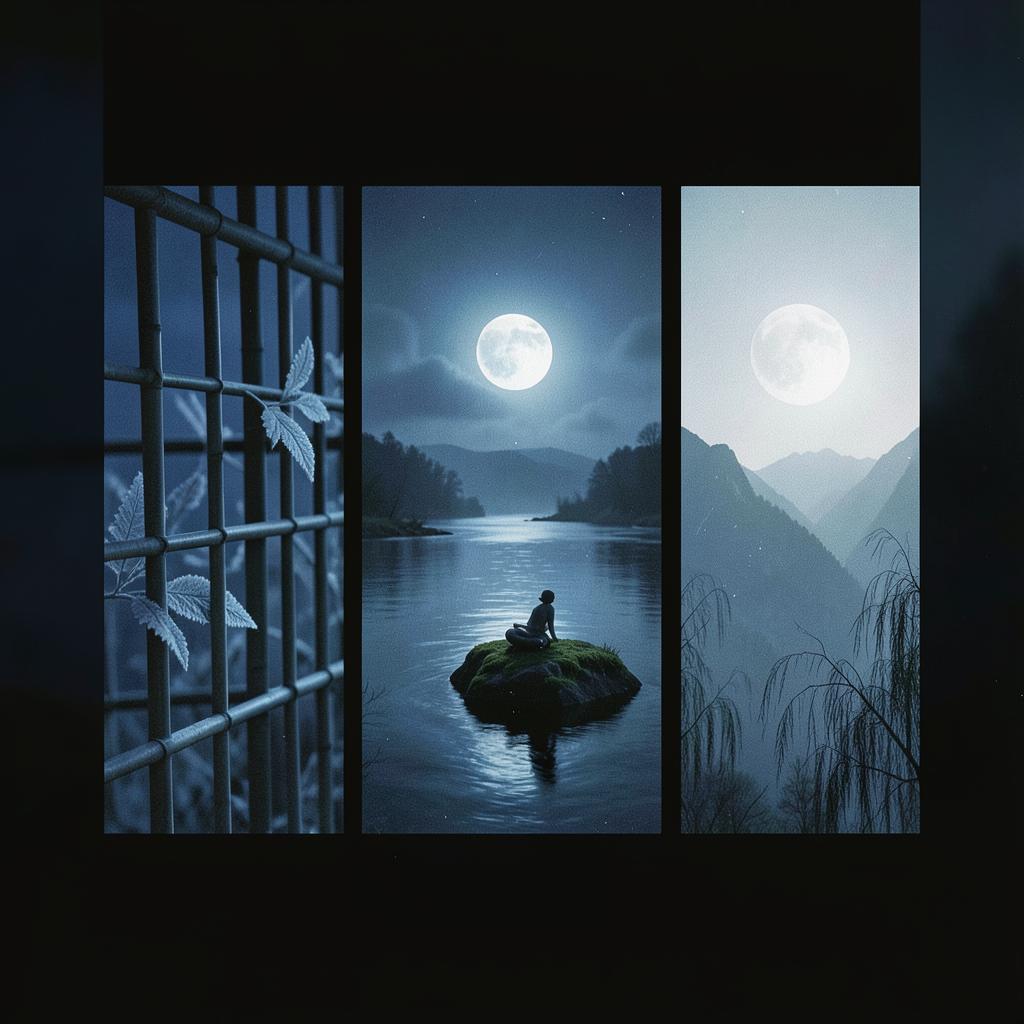
Frontier Moon, Silver Bells to the Ganges, By the Peacock River and Moonlit Bamboo House test how one clear voice crosses classical poetry, South Asian instrumental imagination and contemporary slow song.
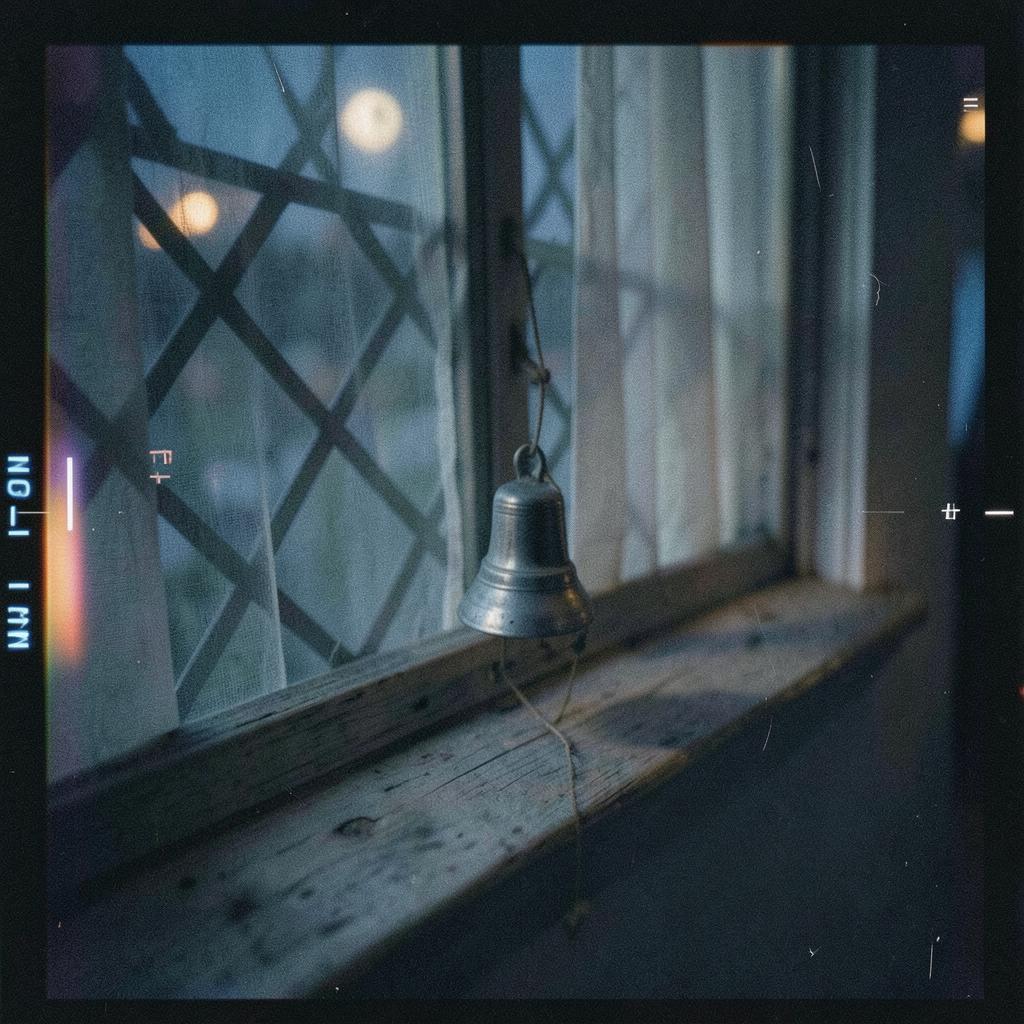
From a moon on the shoulder and a dim tavern to French rain and rain beside the ear, the album keeps a close-mic character continuous across languages and rooms.
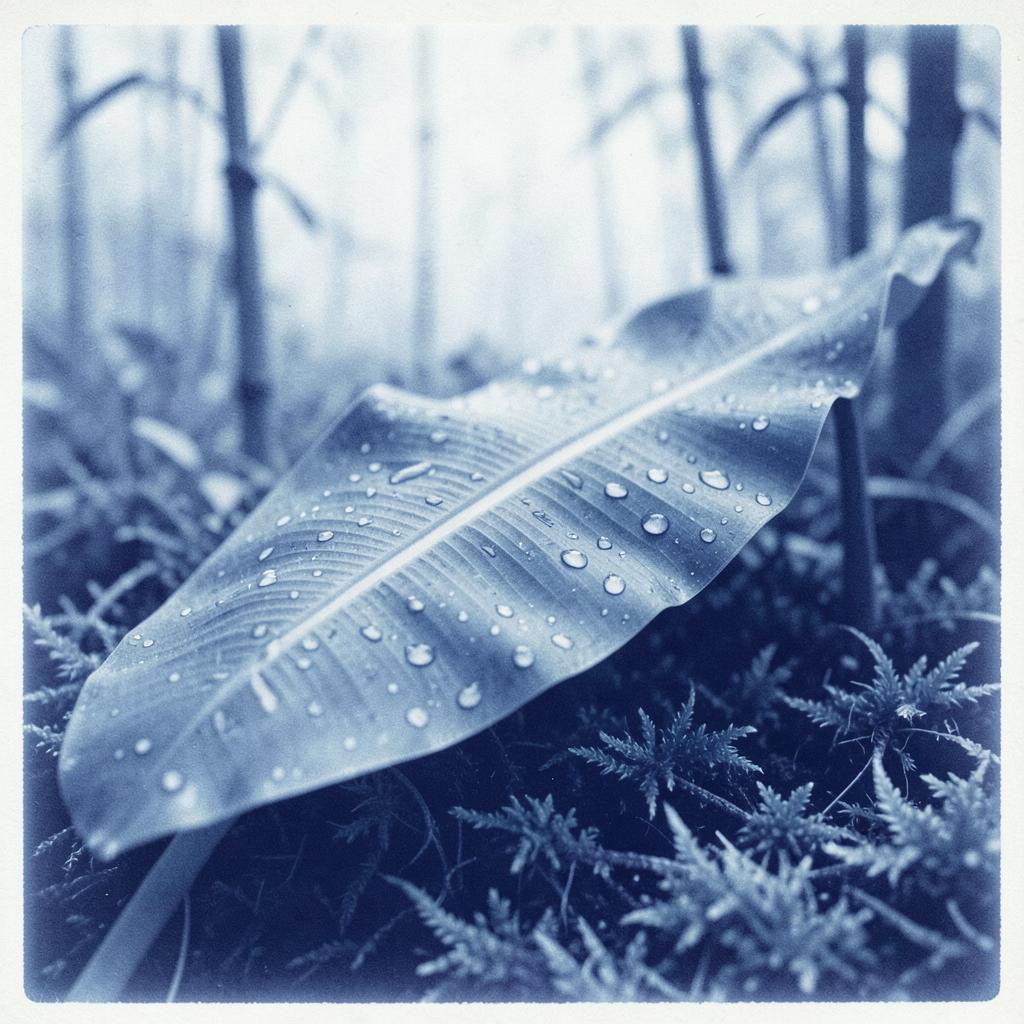
Rainforest Night Song, Silver Ornaments under a Ganges Moon and Moon over the Mountain Road place Bajiao at the border between southern humidity and South Asian cinematic melody.

English, French and Chinese–English work meet inside a wide cinematic female register, testing whether large-scale arrangement can preserve a legible personal narrative.
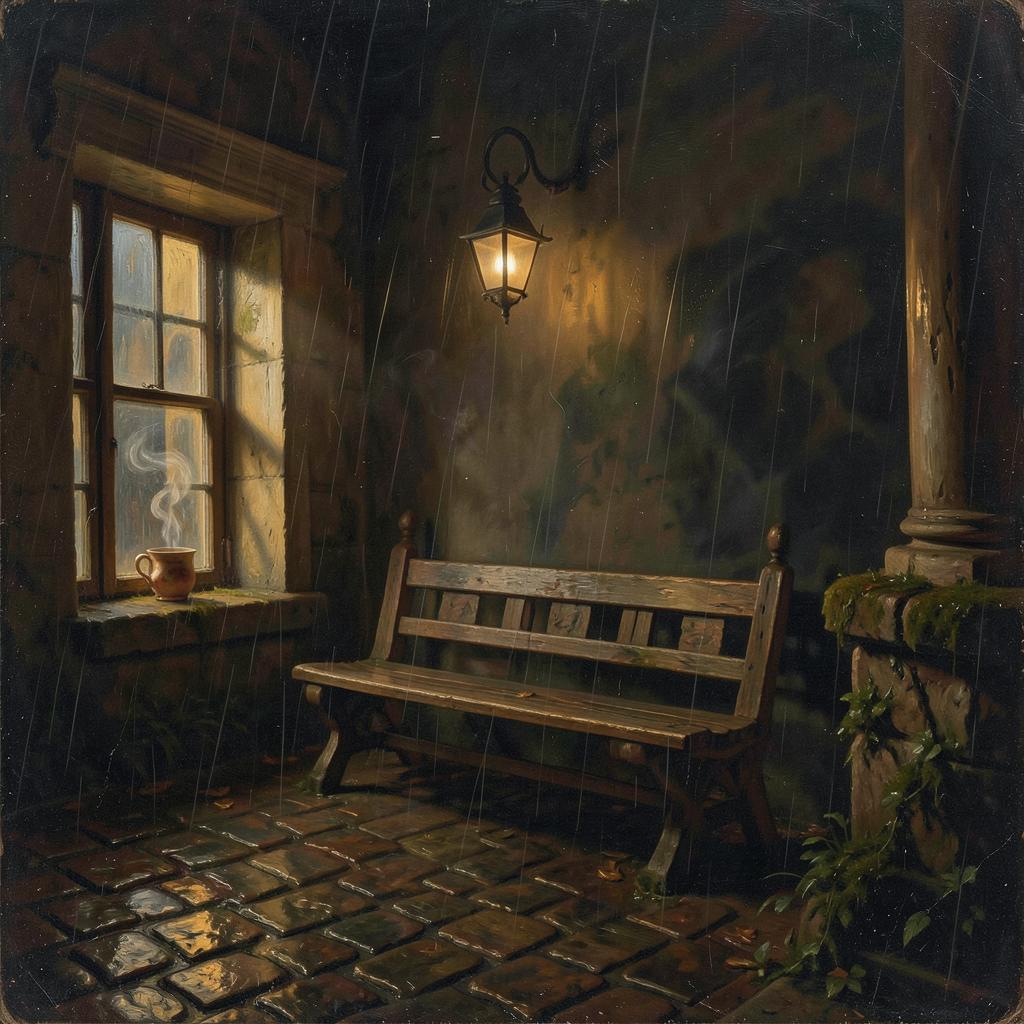
One Mandarin slow song passes through Breathy Female, Cinematic Female, Forever Female and Bajiao, turning character distance, register and emotional arc into an audible comparison.
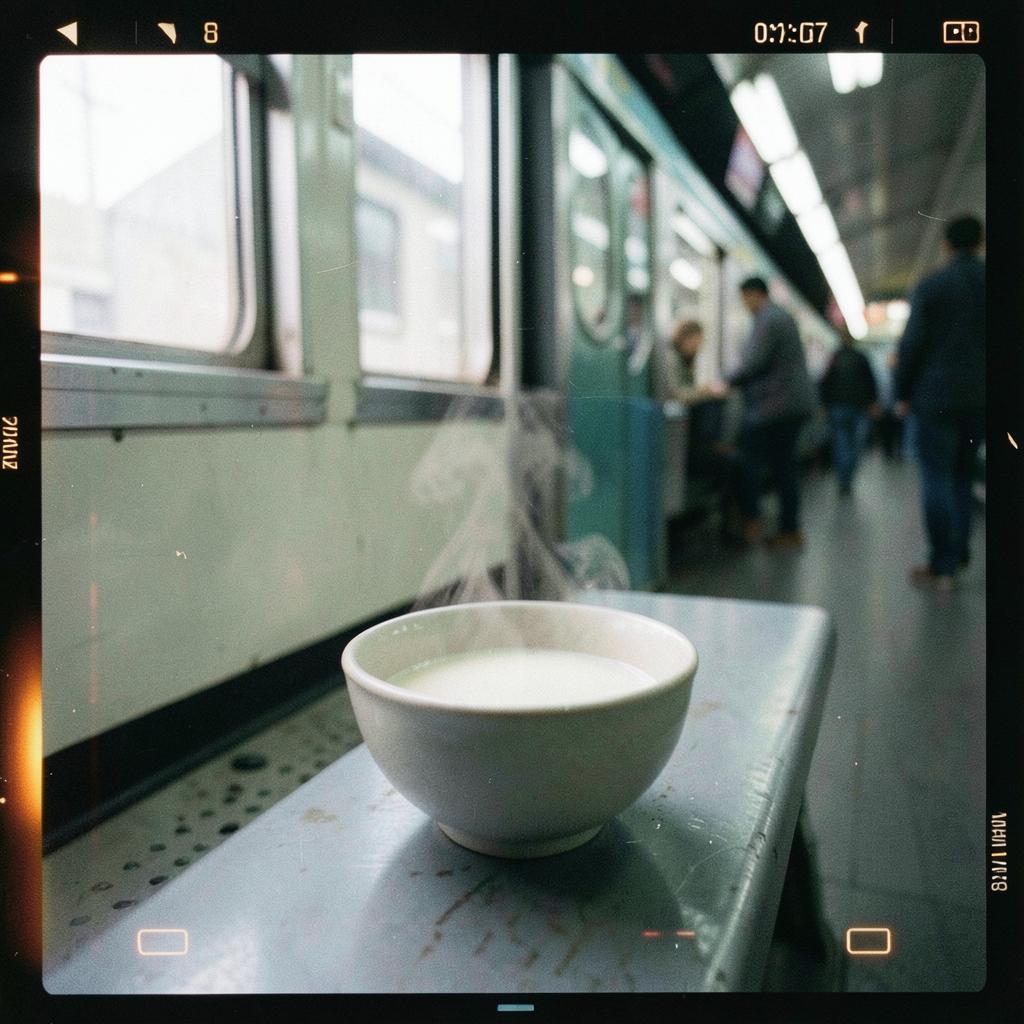
Lingwan, Mary, Lin Juyi and Cyber carry morning, the road, rising and distance in turn, singing one ordinary day as a complete four-part suite.

The First Lamp, Waiting for You to Come Home, Sing the Wall Open and After Daybreak move private care step by step into a public chorus.

Lingwan lights the prologue, Mary takes the long road, Lin Juyi crosses the storm and Cyber carries the same beam into daybreak.
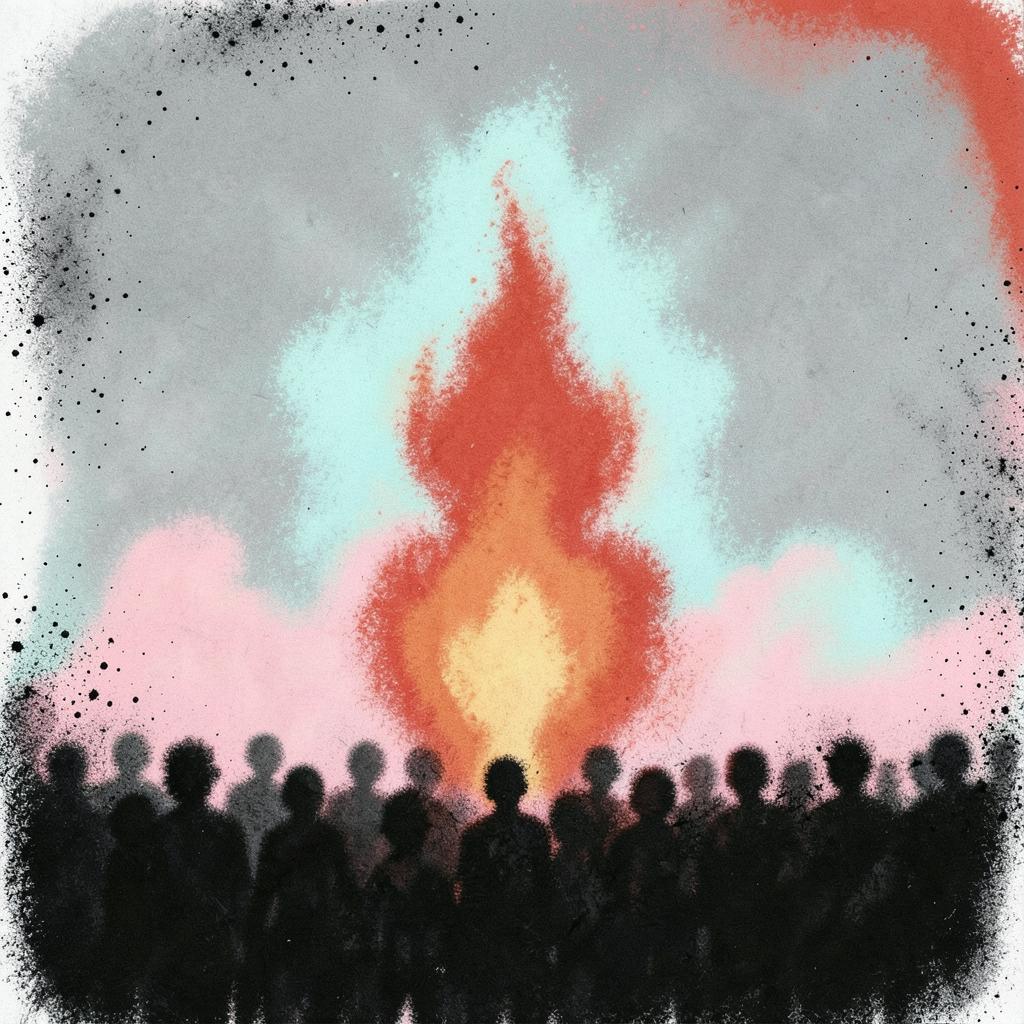
Lin Juyi, Mary, Cyber and Lingwan bring fire, wounds, a sunrise over the sea and the last row into one rock-and-choir pressure test.
From Red Chamber characters and classical Chinese poetry to rainy-night rooms and world music, each album opens a world to stay in.
Let the songs unfold in order: hear a mood turn, one voice answer another, and the final song leave its afterglow.
Lingwan, Mary, Male Slow and Cyber each have a distinct colour. A new arrangement can reveal another side of a familiar voice.
Chinese meets other languages as poems leave the page and reach the ear through new rhythms and melodies.